Discuss Anything Here
 Learning Space at Home – As home learning becomes more common—whether for homework, revision, or home education—creating the right environment is essential. A calm and engaging learning space helps children focus, feel motivated, and enjoy the process of learning. Here are some practical tips to set up a space that works for your family, inspired by the teachings of this prep school in Liverpool.
Engaging Learning Space at Home
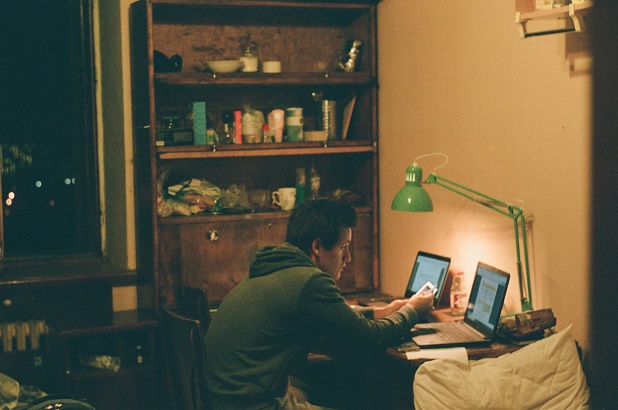
Choose the Right Location
Start by selecting a quiet area of the house that can be dedicated to learning. Ideally, it should be away from distractions such as televisions or high-traffic areas. If space is limited, consider a corner of the living room or bedroom with a small desk and comfortable chair. The key is to create a consistent spot where your child knows it’s time to focus.
Keep It Clutter-Free
A tidy environment encourages a tidy mind. Too much clutter can overwhelm children and make it hard for them to concentrate. Invest in simple storage solutions like boxes, folders, or drawer organisers to keep books, stationery, and resources neatly arranged. At the end of each learning session, encourage your child to tidy up so they start fresh each time.
Make It Personal and Inspiring
Your child’s learning space should feel like their own. Let them personalise it with their artwork, motivational quotes, or a calendar to track goals and achievements. A few familiar items can create a sense of ownership and pride. At the same time, avoid overstimulating visuals—too many colours or posters can be distracting.
Focus on Lighting and Comfort
Natural light is ideal, so position the desk near a window if possible. If not, make sure the area is well-lit with a desk lamp to reduce eye strain. Comfortable seating is equally important—consider a supportive chair that’s the right height for the desk. If your child is younger and likes to move, a wobble cushion or standing desk option might help.
Minimise Distractions
Learning at home comes with many temptations—from toys and snacks to screens. Set boundaries around what is and isn’t allowed during learning time. If your child uses a device, ensure notifications are turned off and apps not related to learning are out of reach. Noise-cancelling headphones can be helpful for children who are easily distracted by background sounds.
Use Visual Timetables and Breaks
Structure is important, especially when learning at home. A visual timetable helps children understand what to expect and manage their time effectively. Build in regular breaks and use them as a reward for focused learning. Short movement breaks, a snack, or a quick outdoor play session can recharge their energy.
Celebrate Effort and Progress
Finally, make the space one where your child feels encouraged. Display recent work, celebrate small wins, and use positive reinforcement. This will build confidence and make the learning experience more enjoyable.
Creating a calm and engaging learning space at home doesn’t have to be complicated. With a few thoughtful touches and consistent routines, you can help your child develop good habits and a positive attitude towards learning.