Discuss Anything Here
 Energy Efficiency – With increasing energy costs and growing environmental concerns, improving your home’s energy efficiency has never been more important. Not only can it help you save money, but it also contributes to a healthier planet. Here are some effective strategies to boost your home’s energy efficiency and reduce your utility bills.
Before delving into these practical tips, landlords need to protect their investments. Obtaining comprehensive landlord insurance from CIA Landlords can safeguard your property as you implement energy-efficient upgrades, ensuring protection against unforeseen circumstances.
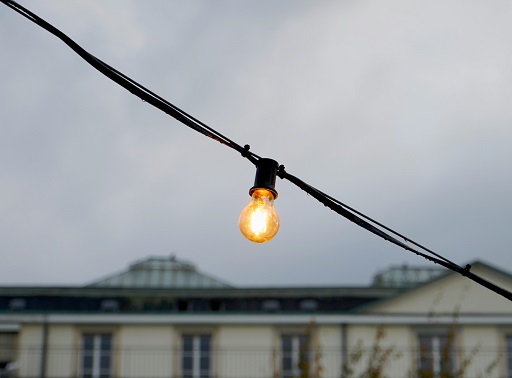
Boost Your Home’s Energy Efficiency and Save Money
Now, let’s explore how you can enhance your home’s energy efficiency and save money in the long run.
1. Conduct an Energy Audit
Start by conducting an energy audit to identify where your home is losing energy. You can hire a professional auditor or do a basic DIY audit. Look for drafts around windows and doors, inspect insulation in the attic and walls, and check for leaks in the ductwork. An energy audit will provide a clear picture of the areas needing improvement.
2. Improve Insulation
Insulation plays a crucial role in maintaining your home’s temperature. Proper insulation reduces the need for heating in the winter and cooling in the summer. Focus on insulating the attic, walls, floors, and basements. Use materials like fibreglass, foam boards, or spray foam to ensure maximum thermal resistance. Sealing gaps around windows and doors with weatherstripping or caulk can also prevent air leaks.
3. Upgrade Windows and Doors
Old, draughty windows and doors can significantly impact your home’s energy efficiency. Consider replacing them with energy-efficient models that have double or triple glazing and low-emissivity (Low-E) coatings. These features help to keep heat inside during the winter and block it during the summer. If replacement is not feasible, applying window films and using heavy curtains can also make a difference.
4. Install a Programmable Thermostat
A programmable thermostat allows you to set specific temperatures for different times of the day, reducing energy consumption when you’re not at home. Smart thermostats go a step further, learning your habits and adjusting settings automatically for optimal energy use. By using a programmable thermostat, you can save up to 10% on heating and cooling costs.
5. Switch to Energy-Efficient Lighting
Lighting accounts for about 10% of a household’s energy use. Replacing traditional incandescent bulbs with energy-efficient LEDs, or CFLs, can significantly reduce your energy consumption. LEDs use up to 75% less energy and last 25 times longer than incandescent bulbs. Additionally, make the most of natural light during the day by opening curtains and blinds.
6. Upgrade to Energy-Efficient Appliances
Appliances are major contributors to your home’s energy consumption. When it’s time to replace old appliances, choose models with the ENERGY STAR label, which meet strict energy efficiency guidelines set by the Environmental Protection Agency. Energy-efficient appliances use less electricity and water, reducing your utility bills and environmental impact.
7. Optimise Heating and Cooling Systems
Heating and cooling systems are the largest energy consumers in most homes. Regular maintenance, such as cleaning or replacing filters, ensures they run efficiently. Consider upgrading to a high-efficiency furnace or air conditioner if your current system is old. Additionally, installing ceiling fans can help distribute air more evenly, reducing the need for heating and cooling.
8. Harness Renewable Energy
Investing in renewable energy sources like solar panels or wind turbines can drastically cut your energy bills. While the initial cost is high, government incentives and falling prices for solar technology make it a viable option for many homeowners. Solar water heaters and geothermal heat pumps are other renewable options to consider.
9. Reduce Water Heating Costs
Water heating is a significant energy expense. Lower the thermostat on your water heater to 120°F to save energy and reduce the risk of scalding. Insulating your water heater and the first few feet of hot water pipes can also minimise heat loss. Consider installing a tankless water heater, which heats water on demand and uses less energy overall.
10. Implement Energy-Saving Habits
Small changes in daily habits can lead to significant energy savings. Turn off lights when leaving a room, unplug electronics when not in use, and use power strips to easily disconnect multiple devices. Wash clothes in cold water, air-dry them when possible, and run full loads in the dishwasher and washing machine.
11. Landscaping for Energy Efficiency
Strategic landscaping can enhance your home’s energy efficiency. Planting trees and shrubs around your home can provide natural insulation and shade, reducing heating and cooling costs. Deciduous trees offer shade in summer and allow sunlight through in winter after they shed their leaves. Additionally, using mulch in gardens helps retain soil moisture, reducing the need for water.

Educate and Involve Your Household
Engage your family or tenants in energy-saving practices. Educate them about the importance of conserving energy and involve them in implementing changes. The more people in your household practice energy-efficient habits, the greater the impact on your energy consumption.
By following these strategies, you can significantly boost your home’s energy efficiency and save money on utility bills. Not only will you enjoy a more comfortable living environment, but you’ll also contribute to a more sustainable future. Investing in energy efficiency is a win-win for both your wallet and the planet.