
 Discuss Anything Here
 Keeping Your Child Safe Online – In today’s digital world, children are growing up with the internet as an integral part of their lives. While the online world offers endless opportunities for learning, entertainment, and communication, it also presents significant risks such as cyberbullying, exposure to inappropriate content, and online predators.
As a parent, it’s crucial to guide your child on how to navigate the digital landscape safely and responsibly. Here’s a comprehensive guide to keeping your child safe online, empowering them to enjoy the benefits of the internet while staying protected.
Keeping Your Child Safe Online
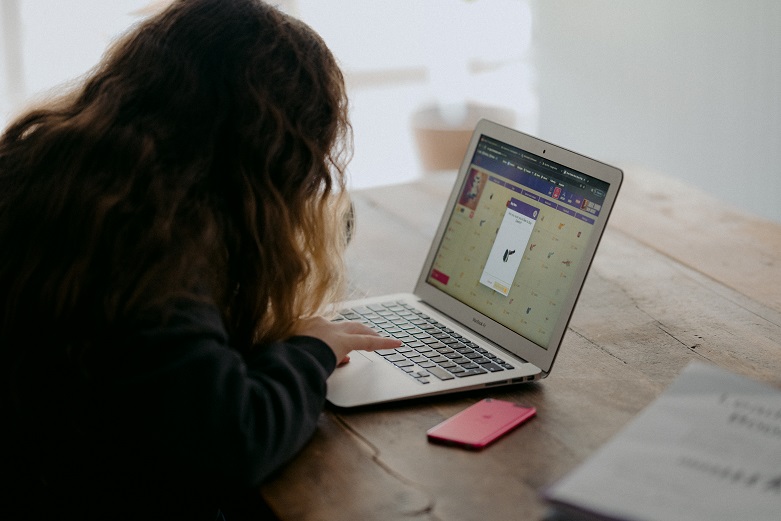
Keeping Your Child Safe Online – Understand the Online Risks
Before implementing safety measures, this high school in Milton Keynes says that it’s important to understand the potential dangers children may encounter online.
- Inappropriate Content: Access to violent, explicit, or harmful material.
- Cyberbullying: Harassment or bullying through social media, messaging apps, or gaming platforms.
- Online Predators: Strangers who may attempt to build trust with children for exploitative purposes.
- Privacy Risks: Sharing personal information, such as addresses, phone numbers, or school details.
- Excessive Screen Time: Overuse of devices leading to negative effects on physical and mental health.
Keeping Your Child Safe Online – Open the Lines of Communication
The foundation of online safety is an open, trusting relationship with your child.
- Talk Regularly: Discuss their online activities, favourite apps, and games. Show genuine interest without judgment.
- Set Boundaries: Explain the risks of oversharing personal information and interacting with strangers online.
- Encourage Openness: Let your child know they can come to you if they encounter anything uncomfortable or upsetting online.
Keeping Your Child Safe Online – Set Clear Rules for Internet Use
Establishing guidelines for online activity helps create a safe and structured digital environment.
- Time Limits: Set daily or weekly screen time allowances to prevent overuse.
- Approved Websites and Apps: Make a list of safe, age-appropriate platforms your child can use.
- Device-Free Zones: Keep bedrooms and mealtimes free of devices to encourage healthy habits.
- Avoid Sharing Personal Information: Teach them not to share their real name, address, phone number, or school details online.
Keeping Your Child Safe Online – Use Parental Controls and Privacy Settings
Technology can be a powerful ally in protecting your child. Use parental controls to monitor and restrict their online activity.
- Set Up Filters: Use parental control software or built-in tools on devices to block inappropriate content.
- Monitor Social Media Accounts: Enable privacy settings to ensure their profiles are only visible to approved friends or followers.
- Restrict In-App Purchases: Disable automatic payments to prevent accidental or unauthorised spending.
- Enable Safe Search: Activate tools like Google SafeSearch to filter explicit content during online searches.
Keeping Your Child Safe Online – Teach Smart Social Media Habits
Social media is a popular space for children to connect, but it’s also a hotspot for risks.
- Friend Requests: Teach your child to only accept friend requests from people they know in real life.
- Think Before Posting: Encourage them to pause before sharing photos, videos, or comments that could be harmful or embarrassing.
- Recognise Fake Profiles: Explain how some profiles may not be who they claim to be.
- Report and Block: Show them how to report inappropriate content or block users who make them uncomfortable.
Keeping Your Child Safe Online – Address Cyberbullying
Cyberbullying can have serious emotional consequences. Equip your child to handle it effectively.
- Spot the Signs: Look for changes in behavior, such as withdrawing from social activities, sadness, or anxiety.
- Encourage Reporting: Teach them to report bullying to you, their teacher, or the platform where it occurs.
- Document Evidence: Save screenshots of abusive messages or posts for reference.
- Take Action: Block the bully, adjust privacy settings, and report the behavior to the platform or school if needed.
Keeping Your Child Safe Online – Discuss Online Strangers
The anonymity of the internet allows strangers to connect with children, sometimes with harmful intentions.
- Stranger Danger Online: Teach your child the same caution with online strangers as they would with strangers in real life.
- Red Flags: Discuss warning signs, such as someone asking for photos, personal information, or secrecy.
- Gaming Safety: Many predators use multiplayer games to initiate contact. Monitor who your child interacts with during gameplay.
Keeping Your Child Safe Online – Encourage Critical Thinking
Equip your child with the skills to recognise and navigate online dangers independently.
- Spot Fake News: Teach them to question the credibility of articles, videos, or posts.
- Beware of Scams: Explain how phishing attempts and fake giveaways work.
- Stay Skeptical: Encourage them to be cautious when clicking on links or downloading files.
Keeping Your Child Safe Online – Lead by Example
Children often mimic their parents’ behavior, so model responsible internet use.
- Limit Your Own Screen Time: Show them the value of unplugging and engaging in offline activities.
- Avoid Oversharing: Be mindful about sharing photos or details about your child online.
- Practice Digital Detox: Schedule regular device-free time for the whole family.
Keeping Your Child Safe Online – Keep Learning and Adapting
The digital world evolves quickly, and staying informed is key to keeping your child safe.
- Stay Updated: Learn about the latest apps, games, and social media platforms your child uses.
- Attend Workshops: Many schools and community organisations offer internet safety training for parents.
- Check-In Regularly: Keep the conversation about online safety ongoing as your child grows and their internet habits change.
Keeping your child safe online requires a combination of awareness, communication, and practical steps. By fostering an open dialogue, setting boundaries, and teaching them to navigate the internet wisely, you empower your child to make safe and responsible choices in the digital world.
Remember, online safety is a shared responsibility—work together as a family to create a secure and positive digital experience.