
 Discuss Anything Here
 Air Source Heat Pump Maintenance – Rising energy costs are a concern for most households, and finding effective ways to reduce them is more important than ever. While switching suppliers or adjusting thermostat settings can help, one of the most impactful strategies is often overlooked — regular maintenance of your heating system.
If you rely on an air source heat pump, keeping it in good condition can make a noticeable difference to your energy bills. These systems are designed to be efficient, but like any other appliance, they work best when properly maintained. Neglecting basic upkeep can lead to reduced performance, higher running costs, and unnecessary wear and tear.
Air Source Heat Pump Maintenance
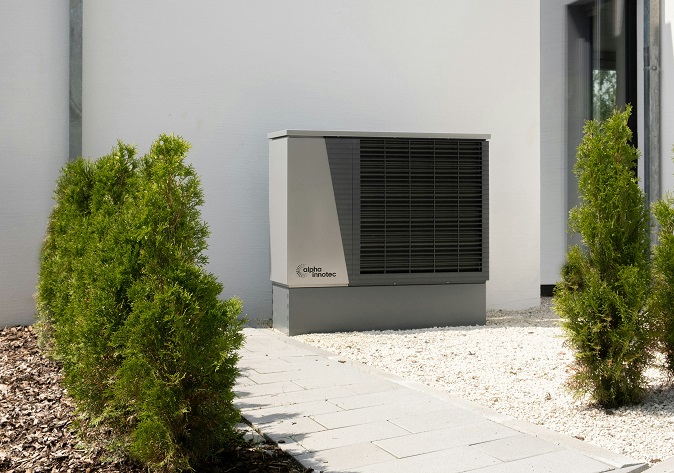
Air Source Heat Pump Maintenance
In this guide, we’ll explain how routine care keeps your air source heat pump operating at peak efficiency and how investing in air source heat pump service plans can help you save money in the long run.
How Air Source Heat Pumps Help Save Energy
Air source heat pumps are among the most energy-efficient heating solutions available. Instead of generating heat by burning fuel, they extract thermal energy from the air outside and use it to warm your home and provide hot water. This process requires far less energy than conventional heating systems like gas boilers or electric heaters.
However, efficiency depends on how well the system is maintained. Even minor issues — such as clogged filters, obstructed airflow, or refrigerant leaks — can force the heat pump to work harder. As a result, it uses more electricity to produce the same amount of heat, unnecessarily increasing your bills.
A well-maintained heat pump typically provides 3 to 4 units of heat energy for every unit of electricity consumed. But neglecting maintenance can significantly reduce this ratio, wiping out many of the savings you would otherwise enjoy.
Why Regular Maintenance Matters
Maintenance isn’t just about preventing breakdowns — it’s about ensuring the system runs as efficiently and cost-effectively as possible. Small tasks carried out regularly can have a major impact on performance, energy consumption, and overall system longevity.
Here’s why maintenance is so crucial for cutting energy costs:
- Improved efficiency: Clean coils, clear airflow, and correct refrigerant levels help the system operate at its best, reducing power use.
- Lower energy bills: When the heat pump runs efficiently, it uses less electricity to maintain comfortable indoor temperatures.
- Fewer repairs: Preventive maintenance catches issues early, reducing the likelihood of expensive breakdowns.
- Extended lifespan: Well-maintained systems last longer, delaying the need for costly replacements.
Key Maintenance Tasks to Lower Your Bills
Taking care of your heat pump doesn’t have to be complicated. Many tasks are simple enough to do yourself, while a professional best handles others. Together, they ensure your system continues to deliver maximum energy efficiency.
1. Keep the Outdoor Unit Clear
The outdoor unit is responsible for absorbing heat from the air so that any obstructions can reduce its efficiency. Leaves, dirt, or snow can block airflow, forcing the system to use more energy.
- Check the unit regularly and clear debris or vegetation.
- Maintain at least 30–60 cm of clear space around it.
- During winter, ensure snow and ice do not build up on or around the unit.
2. Clean or Replace Filters
Dirty filters restrict airflow, making the system work harder to circulate warm air. This not only increases energy consumption but also reduces indoor air quality.
- Inspect filters every 1–2 months.
- Clean or replace them according to the manufacturer’s recommendations.
- Always turn off the unit before removing filters.
3. Check for Refrigerant Leaks
The refrigerant is essential for transferring heat. Low levels due to a leak can dramatically reduce efficiency and increase operating costs.
While you can’t check refrigerant levels yourself, you can watch for signs such as:
- Reduced heating performance
- Ice forming on the coils
- Hissing or bubbling noises
If you notice these issues, it’s best to arrange a professional inspection promptly.
4. Ensure Good Airflow Indoors
Blocked vents and closed grilles inside your home make it harder for the system to distribute warm air. This leads to longer running times and higher energy use.
- Keep vents and grilles clear of furniture, curtains, or dust.
- Regularly vacuum vents to remove debris.
- Avoid closing off too many rooms, as this can disrupt system balance.
5. Schedule Annual Servicing
While basic maintenance can be handled at home, a comprehensive annual service by a qualified technician is essential for long-term efficiency. Professionals can check components you can’t access, test performance, and fine-tune the system to ensure it’s operating at peak capacity.
This is where air source heat pump service plans become particularly valuable. These plans typically include scheduled inspections, priority repairs, and ongoing support — helping you stay on top of maintenance without the hassle. More importantly, they ensure small problems are caught early before they turn into costly inefficiencies or breakdowns.
Long-Term Savings Through Preventive Care
The cost of regular maintenance is minimal compared with the potential savings. According to industry data, a well-maintained air source heat pump can operate up to 25% more efficiently than a neglected one. That can translate into hundreds of pounds saved each year — especially as energy prices continue to rise.
Preventive care also extends the lifespan of your system. While a typical heat pump lasts around 15 years, regular maintenance can add several more years to its life, delaying the significant expense of a replacement.
Environmental Benefits of Regular Maintenance
Lower energy consumption doesn’t just save money — it also reduces your home’s carbon footprint. Because air source heat pumps rely on electricity rather than fossil fuels, their environmental impact is already low. But when they operate efficiently, they require even less power, further reducing emissions and supporting a more sustainable lifestyle.
For homeowners looking to improve their property’s energy performance rating or meet eco-friendly housing standards, regular maintenance is one of the simplest and most cost-effective steps to take.
Conclusion
Cutting energy bills doesn’t always require big changes. Often, it’s the smaller, consistent actions — such as cleaning filters, clearing debris, checking refrigerant levels, and scheduling regular servicing — that deliver the greatest savings.
By keeping your heat pump in peak condition, you ensure it continues to operate efficiently, saving you money month after month. And with the added support of air source heat pump service plans, staying on top of maintenance becomes easier and more reliable, giving you peace of mind and long-term financial benefits.
With just a little care and attention, your air source heat pump can remain a cost-effective, eco-friendly solution for heating your home for many years to come.

