Discuss Anything Here
 Creating Functional Spaces for Kids – As parents, we understand the importance of providing our children with spaces that not only spark their creativity and imagination but also support their development and well-being. Designing functional spaces for kids requires a thoughtful approach that balances playfulness with practicality. In this blog post, we’ll explore some tips and ideas for creating functional spaces that cater to the needs and interests of children while promoting organization, safety, and functionality.
Creating Functional Spaces for Kids
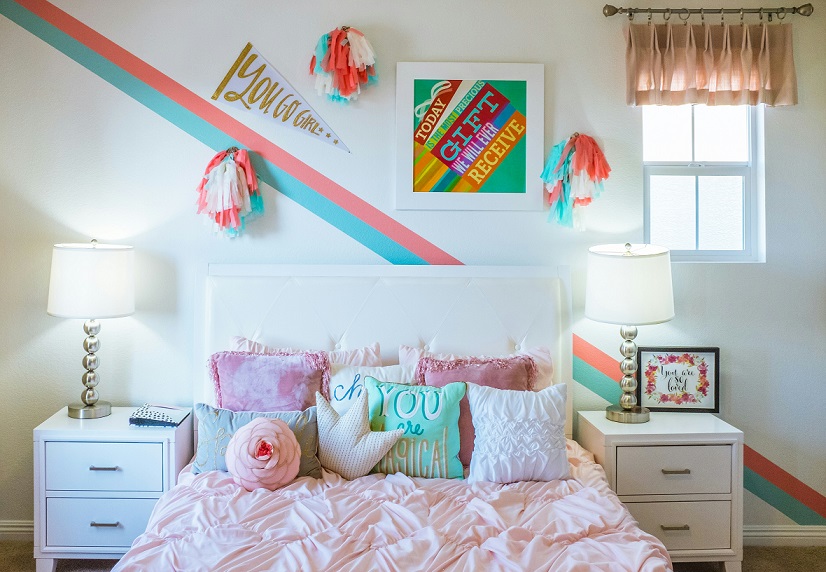
1. Define the Purpose of the Space: Before diving into the design process, it’s essential to clarify the intended purpose of the space. Will it be a playroom, a study area, a creative corner, or a combination of these functions? Understanding the primary activities that will take place in the space will guide your design decisions and layout considerations.
2. Foster Creativity and Exploration: Encourage creativity and exploration by incorporating elements that inspire imaginative play. Consider adding a designated art corner with a chalkboard wall or easel, a reading nook stocked with books and plush cushions, or a dress-up area complete with costumes and props. Provide ample floor space for active play, such as building forts, playing with toys, or engaging in pretend play scenarios.
3. Prioritize Safety and Accessibility: Ensure that the space is safe and accessible for children of all ages. Opt for child-friendly furniture and furnishings with rounded edges and non-toxic materials. Install safety gates, cabinet locks, and outlet covers to prevent accidents. Keep hazardous items out of reach and secure heavy furniture to the wall to prevent tipping.
4. Embrace Smart Storage Solutions: Maximize organization and minimize clutter with smart storage solutions tailored to children’s needs. Utilize bins, baskets, shelves, and cubbies to corral toys, books, art supplies, and other belongings. Label containers with pictures or words to help young children identify and retrieve items independently. Encourage children to participate in tidying up by making cleanup time fun and engaging.
5. Design with Growth in Mind: Create a space that can adapt and evolve as your child grows and their interests change. Choose versatile furniture pieces that can serve multiple functions and accommodate different age groups. Incorporate adjustable shelving, modular storage systems, and flexible seating options that can be reconfigured to suit changing needs and preferences.
6. Personalize the Space: Make the space feel special and personalized by involving your child in the design process. Let them choose colours, themes, and decorative elements that reflect their personality and interests. Display their artwork, achievements, and favourite toys to create a sense of ownership and pride in their space.
7. Foster Learning and Skill Development: Integrate educational elements into the space to support learning and skill development. Consider adding a chalkboard or whiteboard for practicing writing and drawing skills, a magnetic board for exploring science and math concepts, or a sensory table for hands-on exploration and discovery. Incorporate educational toys, puzzles, and games that promote problem-solving, creativity, and critical thinking skills.

Creating Functional Spaces for Kids
Creating functional spaces for kids is an exciting opportunity to design environments that nurture their growth, imagination, and well-being. By defining the purpose of the space, fostering creativity and exploration, prioritizing safety and accessibility, embracing smart storage solutions, designing with growth in mind, personalizing the space, and fostering learning and skill development, you can create a space that is both playful and practical—a place where children can learn, play, and thrive.