
 Discuss Anything Here
 Moving an Older Relative into Your Home can be a significant decision that requires careful planning and consideration. It’s important to ensure that the transition not only benefits your elderly loved one but also works harmoniously for your entire family. Here are some key factors to consider and steps to take when preparing your home:
Moving an Older Relative into Your Home
1. Assessing the Needs of Your Relative
Before making any decisions, have an open and honest conversation with your older relative about their needs and preferences. Consider their mobility, health conditions, daily routines, and any specialized care they may require.
2. Home Modifications
- Safety First: Evaluate your home for potential hazards. Install grab bars in bathrooms, ensure non-slip flooring, and remove obstacles that could cause tripping.
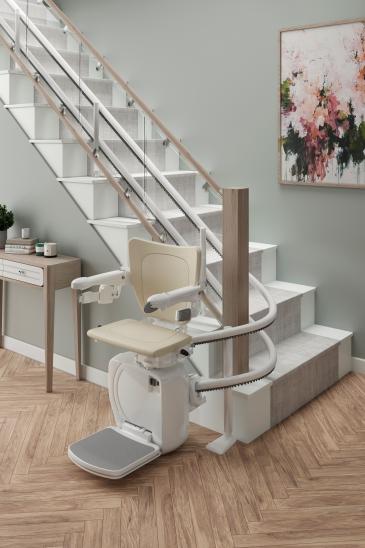
- Accessibility: Consider adding ramps or stairlifts if your home has stairs that are difficult for your relative to manage. Buying a stairlift can significantly improve accessibility and safety within the house, allowing your relative to move between floors comfortably.
- Bedroom and Bathroom Accessibility: Ensure that their living space is easily accessible, including a ground-floor bedroom if stairs are an issue.
3. Creating a Comfortable Living Space
- Privacy and Independence: While sharing space is common, consider areas where your relative can have privacy and independence.
- Adaptations: Modify rooms to accommodate their needs. This may include installing handrails or adaptive equipment.
4. Family Dynamics and Communication
- Open Dialogue: Discuss the decision with all family members. Address concerns openly and encourage empathy and understanding.
- Shared Responsibilities: Outline roles and responsibilities to ensure that caring for your relative does not fall solely on one person.
5. Professional Support
- Medical Care: Arrange for necessary medical care and consultations.
- Home Assistance: Consider hiring home care aides or nurses if needed, to provide additional support.
6. Emotional Support
- Adjustment Period: Be patient and understanding during the adjustment period. Moving can be emotionally challenging for your relative.
- Quality Time: Dedicate time to engaging in activities together to strengthen family bonds.
7. Financial Planning
- Budgeting: Factor in additional costs associated with home modifications, increased utility bills, and potential caregiving expenses.
- Government Assistance: Explore available financial assistance programs for elderly care.
8. Respecting Boundaries
- Communication: Establish clear boundaries and expectations to foster a positive living arrangement for everyone.
- Mutual Respect: Respect each other’s space and preferences to maintain harmony in the household.

9. Self-Care for Caregivers
- Support Networks: Seek support from friends, family, or support groups for caregivers.
- Time for Yourself: Make sure to take breaks and prioritize your own well-being.
Moving an older relative into your home can be a rewarding experience, strengthening family ties and providing comfort and security for your loved one. By carefully considering everyone’s needs and making necessary adjustments, you can create a welcoming and supportive environment that benefits the entire family.
*Collaborative post