 Discuss Anything Here
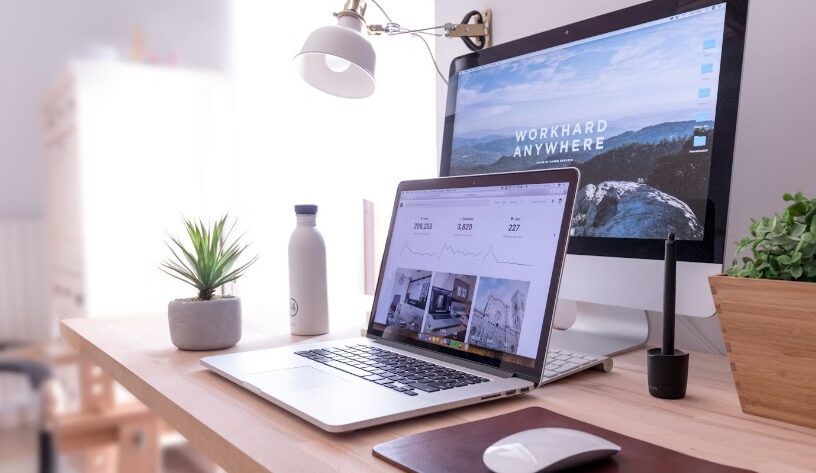
 Organise Your Home Office to Boost Productivity – Having an organised and efficient home office makes it much easier to maintain productivity and reduce stress. Whether you’re working remotely full-time or just need a space to manage household accounts, the right office space makes a significant difference.
Declutter and Simplify
The first step to organising your office is decluttering. A cluttered workspace is distracting and overwhelming. It can even prevent you getting started, let alone stay focused.
- Clear Your Desk: Start by clearing everything off your desk. Sort items into categories: keep, discard, and relocate. Only keep essentials on your desk, such as your computer, a notepad, and a few frequently used items.
- Paper Management: Invest in a filing system to organise paperwork. Use folders or binders to categorise documents, and label them clearly. Scale your system according to need — maybe a single box file would do the job instead of a space-hogging filing cabinet. Digitise important documents where possible to reduce paper clutter.
- Daily Tidy-Up: Make it a habit to tidy up your desk at the end of each day. A clean and organised workspace can actually invite you to work, whereas a dusty, cluttered jumble just says ‘go and watch TV instead’.

Efficient Storage Solutions
Proper storage solutions can help you maintain an organised home office and ensure that everything has its place.
- Shelving Units: Install shelving units to store books, binders, and decorative items. This keeps your desk free of clutter and utilises vertical space effectively.
- Drawer Organisers: Use drawer organisers to keep office supplies, such as pens, paperclips, and sticky notes, neatly arranged. This prevents items from getting lost and keeps your drawers tidy.
- Use archive storage boxes: They keep important paper documents organised and safe, especially if you’re saving business records going back several years. You could place these securely into self storage instead of letting them take up valuable office space.
- Cable Management: Use cable management solutions to keep cords and cables organised. Cable clips, sleeves, and trays can help prevent a tangled mess of wires.
Optimise Your Workspace Layout
The layout of your office is important too. Aim for a layout that promotes comfort and efficiency.
- Ergonomic Setup: Ideally, your desk and chair should be ergonomically designed. Your chair should provide proper lumbar support, and your desk should be at a comfortable height. Position your computer monitor at eye level to reduce strain on your neck and eyes. A standing desk can help you avoid some of the problems associated with sitting for long periods.
- Natural Light: Position your desk near a window to take advantage of natural light to help boost your mood and energy levels. If natural light isn’t an option, invest in good quality, adjustable lighting.
- Minimal Distractions: Arrange your workspace to minimise distractions. This might mean facing away from high-traffic areas in your home or using noise-cancelling headphones to block out background noise.

Personalise Your Space
Adding personal touches can make your workspace a more inviting and motivating place to be.
- Inspiring Decor: Decorate the walls with items that inspire you, such as artwork, plants, or motivational quotes. These personal touches help to create a pleasant atmosphere and lift your mood.
- Comfort Items: These can be whatever you find soothing, from a cosy lap blanket on a winter’s day to your favourite mug or framed photos.

Time Management Tools
Incorporating time management tools can help you stay on track and maximise productivity during busy periods.
- Planner or Calendar: Use a planner or calendar to schedule tasks and set deadlines. This helps you stay organised and prioritise your workload.
- Task Management Apps: Take a look at apps like Trello, Asana, or Todoist — there are lots of others to choose from. They can help you manage projects, track progress, and collaborate.
- Pomodoro Technique: Implement the Pomodoro Technique to break your work into focused intervals, typically 25 minutes, followed by a short break. This can help maintain concentration and prevent burnout.
Knowing When to Seek Professional Office Solutions
While a well-organised home office can significantly boost productivity, there may come a time when you need to consider more professional, rented office solutions.
- Increased Distractions at Home: If you find that home distractions are becoming unmanageable, it might be time to consider a rented office space. Children, pets, and household tasks can all interrupt your work, reducing productivity.
- Need for Professional Environment: As your business grows, you may need a more professional setting to meet clients or conduct meetings. A rented office space can provide a more formal environment conducive to business activities. Look into scalable options such as flexible offices which can make it easier to balance your needs with your budget.
- Networking Opportunities: Renting an office space can help you connect with other professionals. Co-working spaces, in particular, are great for meeting like-minded individuals and potential collaborators.
- Work-Life Balance: If you struggle to separate work from personal life, a rented office space can help create a clear boundary. This separation can improve both productivity and overall well-being.
- Space Limitations at Home: If your home lacks the space for a proper office setup, renting an office can provide the necessary room and resources to work efficiently.
You may not need to incorporate all these tips into your office/workspace overhaul, so cherry pick the ones that deal with your particular situation. With more of us working from home than ever, a workable office area at home is almost as important as an organised kitchen or a comfy living room.
*collaborative post