 Discuss Anything Here
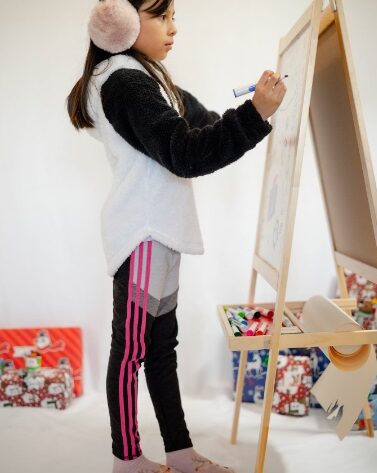
 The Benefits of Arts & Crafts For Children Engaging children in arts and crafts is more than just a fun pastime—it’s a vital activity that fosters creativity, boosts development, and strengthens essential skills. Whether it’s painting, drawing, or creating with clay, arts and crafts can have a profound impact on a child’s growth and overall well-being. Here’s why incorporating these activities into a child’s routine is so important.
1. Encourages Creativity and Imagination
This prep school in Surrey suggests that arts and crafts allow children to express their thoughts, feelings, and ideas in unique and personal ways. They’re free to explore colours, shapes, and textures, leading to the development of their imagination. Activities like painting a picture or designing a handmade card encourage original thinking, which is a skill that will serve them well throughout their lives.
When children are given the freedom to create, they learn how to think outside the box, problem-solve, and innovate—skills that are invaluable in academics and later in their careers.

2. Builds Fine Motor Skills
Cutting, colouring, glueing, and sculpting are all activities that help improve a child’s fine motor skills. These tasks require precision and control, helping children strengthen the small muscles in their hands and fingers. This development is essential for tasks such as writing, tying shoelaces, and using tools.
The repetitive nature of some arts and crafts activities also helps enhance hand-eye coordination. For younger children, this can be particularly beneficial as they begin learning to handle and manipulate small objects.

3. Boosts Emotional Well-being
Arts and crafts provide children with a healthy outlet for their emotions. Expressing themselves through art can help them process feelings they might not yet have the words to describe. It can also be a soothing activity that reduces stress and anxiety, offering them a sense of accomplishment and pride in their work.
Collaborative arts and crafts projects with family members or friends can also foster positive social interactions, boosting their confidence and sense of belonging.
4. Enhances Cognitive Skills
Participating in arts and crafts helps children develop critical cognitive abilities such as problem-solving, decision-making, and planning. For example, when building a model or piecing together a collage, children learn to think sequentially and organise their thoughts.
These activities also enhance memory and attention span. Crafting requires focus and patience, teaching children the value of perseverance and dedication to completing a task.

5. Promotes Cultural Awareness
Introducing arts and crafts from different cultures can teach children about diversity and history. Creating traditional art forms like African masks, Japanese origami, or Native American dreamcatchers fosters an appreciation for other cultures and traditions.
Through these activities, children can develop empathy and a broader understanding of the world, essential traits for becoming global citizens.
Arts and crafts are more than just entertainment for children—they are a powerful tool for growth. From improving fine motor skills to boosting emotional well-being and fostering creativity, the benefits are endless.
Encourage your child to dive into the world of arts and crafts, and watch them flourish in ways you never imagined!
*Collaborative post