Discuss Anything Here
 Benefits of Outdoor Learning – Outdoor learning is a fantastic way to engage children with the natural world, encouraging curiosity, creativity, and resilience. The early spring months provide the perfect setting for outdoor education, as the days grow longer, temperatures become milder, and nature bursts into life. Whether in a school setting or at home, taking learning outside during this season offers numerous benefits for children’s physical, mental, and academic development.
Benefits of Outdoor Learning
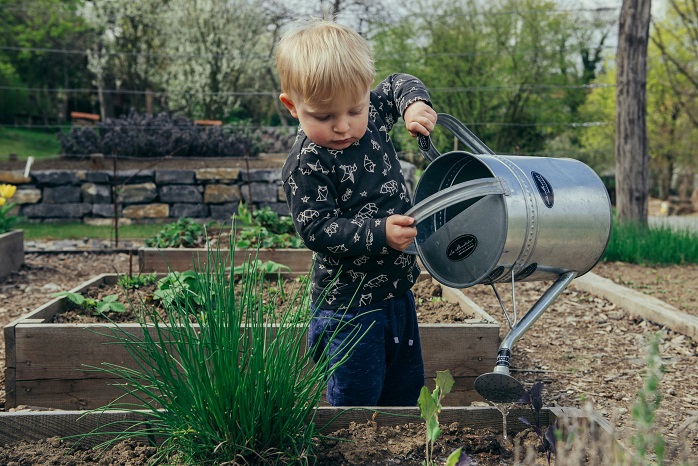
Encourages a Connection with Nature
Early spring is a time of renewal, with flowers blooming, birds nesting, and trees budding. This private school in London recommends being outdoors allows children to witness these seasonal changes firsthand, fostering an appreciation for the environment. Engaging in activities such as nature walks, gardening, or wildlife observation helps children develop a sense of responsibility for the world around them, encouraging sustainable thinking from an early age.
Supports Physical Health and Wellbeing
Spending time outdoors naturally encourages physical activity, whether it’s running, climbing, or exploring. This movement helps develop motor skills, coordination, and balance. Fresh air and natural sunlight also contribute to overall wellbeing, with exposure to sunlight boosting vitamin D levels, which are essential for bone health and immune function. After the colder winter months, spring provides a welcome opportunity to be active outside without the extreme temperatures of summer or winter.
Enhances Mental Wellbeing
Outdoor learning has been shown to reduce stress and anxiety in children. The sights, sounds, and smells of nature create a calming environment that helps improve mood and concentration. Activities such as mindfulness walks, outdoor storytelling, and nature-based art can provide a sense of relaxation and joy. Additionally, spending time outside encourages social interactions, teamwork, and communication, all of which contribute to emotional resilience.
Promotes Hands-On Learning
Spring is an ideal time for experiential learning, where children can engage in hands-on activities that reinforce classroom lessons. For example, science lessons can come to life through planting seeds and observing their growth, studying insects, or learning about weather patterns. Outdoor maths activities, such as measuring plant heights or counting natural objects, make learning fun and interactive. These experiences help children retain information better than traditional classroom-based teaching alone.
Encourages Creativity and Imagination
Being outdoors provides a wealth of inspiration for creative expression. Children can use natural materials like leaves, flowers, and sticks for arts and crafts, or create stories based on their outdoor adventures. The open-ended nature of outdoor play allows children to use their imagination freely, whether through role-playing games, building structures with natural objects, or inventing new games. This kind of play fosters problem-solving skills and independent thinking.

Builds Resilience and Confidence
Outdoor learning often involves elements of risk and challenge, such as climbing trees, balancing on logs, or navigating uneven terrain. These activities help children develop resilience, confidence, and a sense of achievement. They learn to assess risks, adapt to new situations, and push their limits in a safe and supportive environment. Overcoming small challenges outdoors can translate to increased self-esteem and a willingness to take on new academic and personal challenges.
The early spring months provide a perfect backdrop for outdoor learning, offering countless benefits for children’s development. From physical health and mental wellbeing to creativity and academic enrichment, time spent outside enhances learning in meaningful ways. By incorporating outdoor activities into education, we can nurture a lifelong love of nature, exploration, and discovery.