
 Discuss Anything Here
 Enhancing Home Accessibility – Creating an accessible home environment is essential for ensuring comfort and safety, particularly for those with mobility challenges. While many people focus on the obvious modifications like ramps and grab bars, there are numerous other aspects that often go unnoticed. This guide delves into the less-considered elements of home accessibility and highlights how installing stairlifts is easier than most people realise.
Enhancing Home Accessibility – Overlooked Aspects of Home Accessibility
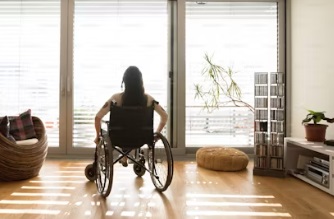
1. Doorway Widths and Thresholds
One commonly overlooked aspect is the width of doorways. Standard doorways can be too narrow for wheelchairs or walkers to pass through comfortably. Widening doorways or installing offset hinges can make a significant difference. Additionally, threshold ramps can help eliminate the tripping hazard posed by raised doorways. Even the style of door handles on a door can make all the difference!
2. Lighting and Visibility
Adequate lighting is crucial for people with vision impairments. Consider installing brighter bulbs, adding additional lighting fixtures, and using motion-sensor lights in hallways and staircases. Contrast strips on stairs and edges of countertops can also aid in visibility.
3. Flooring Choices
Smooth, non-slip flooring is essential for preventing falls. Carpets with a low pile, cork, or rubber flooring are excellent choices. Avoid loose rugs and ensure that any mats are securely fastened to the floor.
4. Kitchen Modifications
Making the kitchen more accessible can involve lowering countertops, ensuring easy access to appliances, and using pull-out shelves and drawers. Lever-style taps are easier to operate than traditional knobs, and induction hobs are safer than gas ones as they reduce the risk of burns.
5. Bathroom Adjustments
Beyond installing grab bars, consider a walk-in shower or a bath with a door. Non-slip mats, adjustable showerheads, and height-adjustable sinks can significantly enhance bathroom safety and accessibility.
6. Smart Home Technology
Utilising smart home technology can vastly improve accessibility. Voice-activated systems can control lighting, heating, and even appliances. Smart doorbells with video capabilities allow for better security and convenience.
Enhancing Home Accessibility – The Ease of Installing Stairlifts
Stairlifts are often seen as a major home modification, but they are easier to install than many people realise. Here’s why:
1. Simple Installation Process
Modern stairlifts are designed to be installed with minimal disruption. Most stairlifts can be fitted directly to the staircase rather than the wall, avoiding the need for extensive structural modifications. Professional installation typically takes just a few hours.
2. Customisable Options
Stairlifts come in various models tailored to different types of staircases, including straight, curved, and even outdoor steps. This customisation ensures a perfect fit and smooth operation. Additionally, stairlifts are available in various styles and colours to blend seamlessly with your home’s decor.
3. Cost-Effective Solutions
While stairlifts are an investment, they are often more affordable than people assume. Many companies offer financing options, and there are grants and subsidies available for those who qualify. Additionally, the increased mobility and independence they provide can greatly outweigh the initial cost.
4. Safety and Reliability
Stairlifts are equipped with numerous safety features such as seat belts, swivel seats for easy transfer, and battery backups to ensure operation during power cuts. Regular maintenance and servicing ensure that they remain reliable and safe over time.
5. Professional Support
Reputable stairlift companies offer comprehensive support, from initial consultation and home assessment to installation and aftercare services. This ensures that you receive personalised advice and ongoing assistance to keep your stairlift in optimal condition.
Enhancing Home Accessibility
Creating an accessible home involves more than just the obvious modifications. By considering elements such as doorway widths, lighting, flooring, and smart home technology, you can create a safer and more comfortable living environment. Moreover, the process of installing a stairlift is simpler and more affordable than many realise, making it a practical solution for enhancing home accessibility.
Remember, an accessible home is not just about physical modifications—it’s about creating a space where everyone can live independently and with dignity. Whether you’re making changes for yourself or a loved one, taking a comprehensive approach to home accessibility will significantly improve quality of life.

