Discuss Anything Here
In an era where sustainability and self-sufficiency are becoming increasingly important, creating a self-sufficient garden at home is a fantastic way to reduce your reliance on supermarkets, cut down on waste, and enjoy fresh, organic produce straight from your own backyard. Whether you have a large garden or a small allotment, there are plenty of ways to make your outdoor space work for you. From composting and growing your own fruit and vegetables to keeping chickens for fresh eggs, this guide will help you get started on your journey towards self-sufficiency.
How to Create a Self-Sufficient Garden at Home
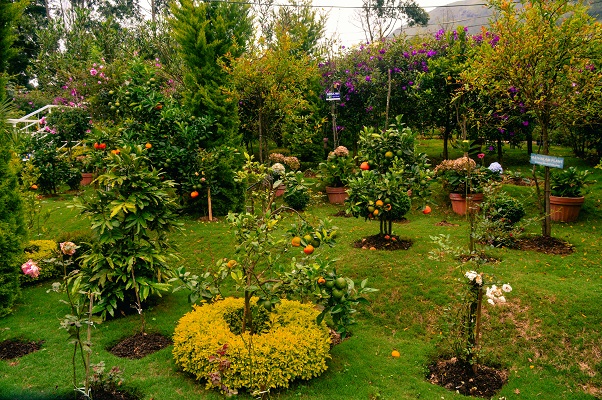
To maintain a self-sufficient garden effectively investing in high-quality supplies is crucial. Mesh fencing can protect your plants from pests, while poultry feeders ensure your chickens are well-nourished. Additionally, organic gardening tools and pest control solutions can help keep your garden thriving without the use of harmful chemicals. If you’re looking for reliable supplies to support your self-sufficient lifestyle, check out country supplies at Muttons for everything you need.
Composting: Turning Waste into Nutrient-Rich Soil
Composting is an essential part of a self-sufficient garden. Not only does it help reduce household waste, but it also provides your garden with rich, organic soil that will enhance plant growth. Setting up a compost bin is simple:
- Choose a sheltered spot in your garden for your compost bin or heap.
- Add a mix of green (vegetable scraps, grass clippings) and brown (cardboard, dry leaves) materials to maintain a healthy balance.
- Turn the compost regularly to aerate it and speed up decomposition.
- Avoid adding cooked food, meat, or dairy, as these can attract pests.
With time and patience, you’ll have nutrient-rich compost to use in your vegetable patches and flower beds, promoting strong, healthy plants without the need for chemical fertilisers.
Growing Your Own Fruit and Vegetables
There’s nothing quite as satisfying as picking fresh produce from your own garden. Growing your own fruit and vegetables not only saves money but also ensures that your food is free from harmful pesticides. Here’s how to get started:
- Choose the right crops – Beginners should start with easy-to-grow vegetables such as tomatoes, courgettes, lettuce, and carrots. For fruits, strawberries, raspberries, and apple trees are great options.
- Prepare your soil – Good-quality soil is essential for a successful harvest. Use compost or well-rotted manure to enrich your soil.
- Use mesh fencing – Protect your crops from pests such as rabbits and birds with strong, durable mesh fencing.
- Implement natural pest control – Companion planting (such as growing marigolds alongside tomatoes) and using organic pest control methods can keep unwanted insects at bay.
By rotating crops and using raised beds, you can maximise your harvest and enjoy fresh produce all year round.

Keeping Chickens for Fresh Eggs
Keeping chickens is a fantastic way to make your garden more self-sufficient. Not only do they provide fresh, organic eggs, but they also help with waste disposal by eating food scraps and can assist in natural pest control by pecking at insects.
What You Need to Get Started:
- A secure coop and run – Ensure your chickens are safe from predators by investing in a sturdy, well-ventilated coop with a secure run.
- Poultry feeders and drinkers – Chickens need a constant supply of fresh water and a balanced diet, which can be provided using high-quality poultry feeders.
- Space to roam – Chickens love to forage, so providing them with a secure outdoor area will keep them happy and healthy.
- Regular care and maintenance – Daily feeding, egg collection, and occasional health checks will ensure your flock thrives.
Fresh eggs straight from your garden taste far superior to shop-bought ones, and your chickens will also provide plenty of fertiliser to enrich your soil.
Essential Supplies for a Self-Sufficient Garden
Creating a self-sufficient garden takes time and effort, but the rewards are well worth it. Not only will you enjoy fresh produce and eggs, but you’ll also reduce waste, lower your environmental impact, and develop a deeper connection with nature. Whether you start small with a few vegetable beds or go all-in with chickens and composting, every step towards self-sufficiency is a step towards a more sustainable and fulfilling lifestyle.