Discuss Anything Here
 From Small Savings to Long-Term Investments for Future Business Growth – Financial prudence is not merely an option but a necessity in the ever-evolving business landscape. As businesses aim to thrive, not just survive, understanding and implementing strategies that span from modest savings to substantial long-term investments becomes crucial. In this context, leveraging technologies like CRM (Customer Relationship Management) can be transformative, especially for sectors like e-commerce.
From Small Savings to Long-Term Investments for Future Business Growth
Engaging a crm agency can provide specialised insights and tailored solutions that enhance these technologies further. This article explores how businesses, particularly those leveraging crm for ecommerce, can use CRM strategies and technologies to enhance financial efficiency and secure their future.
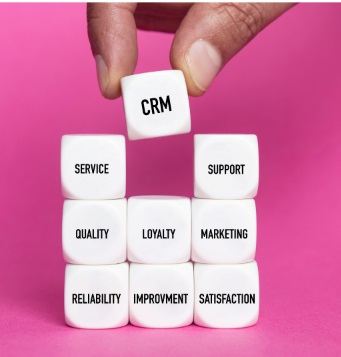
Understanding CRM in Business
CRM systems are designed to manage and improve company interactions with current and potential customers. By consolidating data from various communication channels, including a company’s website, telephone, email, live chat, and social media, CRMs help businesses learn more about their target audience and how to best cater to their needs, thereby increasing the likelihood of revenue growth.
For ecommerce platforms, which rely heavily on customer satisfaction and retention, CRMs provide a structured and automated means to nurture leads and streamline operations. A good CRM system offers comprehensive insights into customer preferences and behaviour, enabling personalised marketing strategies and improving customer engagement.
Small Savings with Big Impacts
Starting with the basics, integrating a CRM into your business operations can lead to significant cost savings in several areas. Firstly, automation of routine tasks reduces the need for extensive manual labour and minimises the likelihood of human error. This can save on operational costs and also ensure that efforts are redirected towards more strategic activities that contribute to business growth.
Secondly, CRMs help with better inventory management—a critical aspect for any ecommerce business. By analysing sales data and customer buying patterns, CRMs can assist in maintaining optimal stock levels, thus avoiding overstocking or stockouts, which can tie up capital unnecessarily or result in lost sales, respectively.
Moreover, CRM tools enhance customer service efficiency. They allow for quick resolution of customer inquiries and issues by providing staff with easy access to comprehensive customer histories. This capability not only reduces operational costs but also boosts customer satisfaction and loyalty, which are directly linked to improved revenue.
CRM as a Strategic Investment for Ecommerce
Investing in a CRM is not merely a cost—it’s a strategic move that sets the foundation for sustainable long-term growth. For ecommerce businesses, a CRM system can be particularly beneficial. It enables personalised marketing, which has proven to be exceptionally effective in boosting sales. By understanding individual customer preferences and behaviours, ecommerce businesses can tailor their offerings and communications, making each interaction more relevant and compelling.
Additionally, CRMs facilitate better customer data segmentation, allowing for more targeted and effective marketing campaigns. This not only increases the conversion rates but also enhances the ROI on marketing spend. Over time, these efficiencies accumulate, resulting in substantial financial benefits. Furthermore, the insights gained from CRM analytics can drive improvements in product development and customer service strategies, thus ensuring that the ecommerce business remains agile and responsive to changing market demands and consumer expectations.
Long-Term Investments: Building for the Future
Beyond immediate savings, CRM systems offer opportunities for long-term investments that can significantly shape a business’s future trajectory. Data collected through CRM systems can be analysed to predict future trends, helping businesses strategise and align their operations accordingly. This proactive approach is vital in maintaining competitive advantage and fostering innovation.
Furthermore, integrating advanced CRM systems with AI and machine learning can propel businesses ahead by offering predictive analytics and more nuanced customer insights. This can lead to the development of new products and services tailored to meet the market’s evolving needs, thereby securing additional revenue streams and enhancing business resilience. Moreover, these technologies enable the automation of more complex processes, reduce operational risks, and enhance decision-making capabilities, which are essential for adapting to changes in the business environment and anticipating market shifts.
Conclusion
In conclusion, the integration of CRM systems in business, especially in the domain of ecommerce, represents a critical strategy for maximising financial efficiency from small-scale savings to long-term investments. As businesses navigate the challenges of the digital age, investing in robust CRM strategies and technologies is about managing relationships and securing a sustainable and prosperous future. CRM tools are indispensable for long-term business success as they foster better customer relationships, optimise operational efficiency, and enable informed decision-making.