 Discuss Anything Here
Exam Revision – Helping your child prepare for exams can be a challenging yet rewarding experience. Effective revision strategies not only boost academic performance but also reduce stress and build confidence. As a parent, you play a crucial role in guiding your child through this process by providing structure, motivation, and emotional support. A Private School in Northampton have provided some key strategies to help your child revise effectively and achieve their best results.
Exam Revision

Creating a Productive Study Environment
- Designate a Quiet Study Space
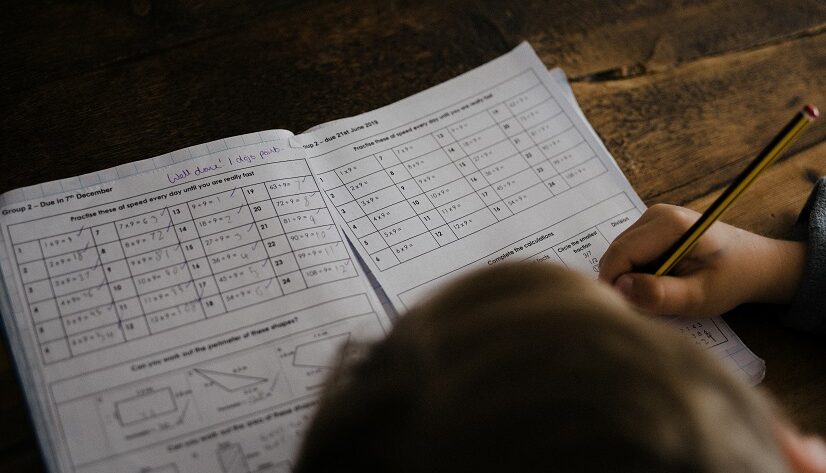
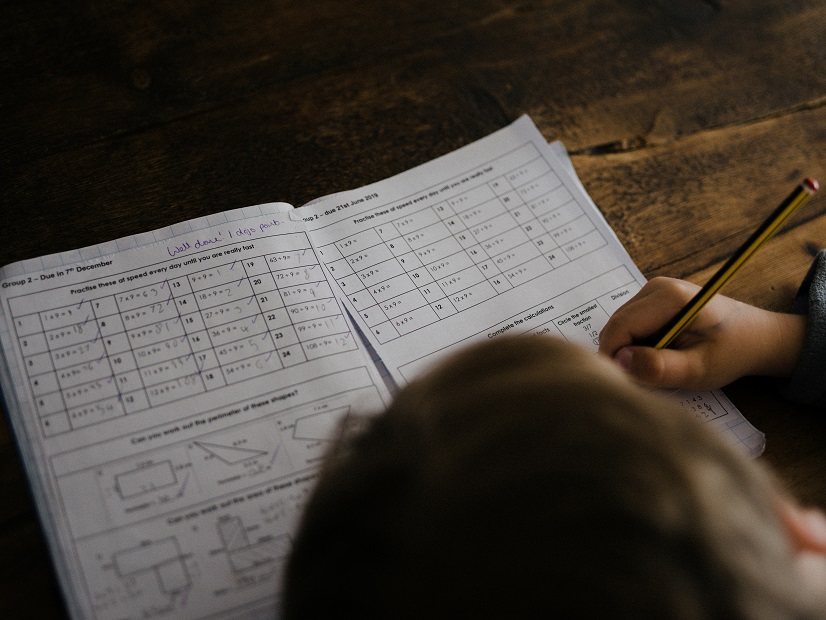
Ensure your child has a comfortable and distraction-free study area. A well-lit, quiet space with minimal interruptions can help them focus better and retain information efficiently.
- Keep Study Materials Organised
Encourage your child to keep their books, notes, and stationery in order. Using folders, flashcards, or digital tools can help them stay organised and make revision sessions more effective.
Developing a Structured Study Plan
- Set Realistic Goals
Help your child break their revision into manageable sections by setting clear, achievable goals. Tackling one subject or topic at a time prevents them from feeling overwhelmed.
- Create a Revision Timetable
Assist your child in developing a study schedule that balances different subjects while allowing time for breaks. A well-planned timetable ensures consistent revision without last-minute cramming.
- Encourage Active Learning
Passive reading may not be enough for effective retention. Encourage your child to use active revision techniques such as summarising information, creating mind maps, and using flashcards to reinforce learning.
Effective Revision Techniques
- Practice Past Papers
Practicing past exam papers helps familiarise your child with question formats, time management, and key topics that are likely to appear in the exam.
- Teach What They Have Learned
Encourage your child to explain concepts to you or a study partner. Teaching someone else helps reinforce their understanding and highlights any weak areas.
- Use Memory Techniques
Techniques such as mnemonics, acronyms, and visualisation can improve memory retention. Encouraging your child to create their own memory aids makes learning more engaging.
Maintaining Motivation and Well-Being
- Encourage Breaks and Relaxation
Studying for long hours without breaks can lead to burnout. Encourage your child to take short breaks using the Pomodoro technique (e.g., 25 minutes of studying followed by a 5-minute break) to maintain focus.
- Promote a Healthy Lifestyle
A balanced diet, regular exercise, and sufficient sleep are essential for optimal brain function. Encourage your child to maintain a healthy routine during the revision period.
- Offer Emotional Support
Exams can be stressful, and your child may feel anxious at times. Reassure them that effort matters more than perfection and that you are there to support them no matter what.
Final Thoughts
Helping your child with exam revision involves more than just encouraging them to study—it requires creating a structured, supportive, and motivating environment. By implementing these strategies, you can help your child build confidence, reduce stress, and perform at their best. With the right guidance and encouragement, they can develop effective study habits that will benefit them beyond their exams.