Discuss Anything Here
 Outdoor Play is Essential for Mental HealthOutdoor play has been a cherished part of childhood for generations, but in recent years, its value extends far beyond simple enjoyment. As awareness of mental health grows, the benefits of outdoor play are becoming clearer, revealing that time spent in nature is fundamental to psychological and emotional wellbeing. Outdoor play isn’t just for children either; it’s beneficial for people of all ages. However, for children, outdoor play holds unique advantages that promote healthy mental and emotional development.
For parents and caregivers, knowing how to create a balanced outdoor environment that encourages play and exploration can make a big difference. Incorporating engaging activities and safe play structures, such as a rectangle trampoline, as well as interactive kids toys, can significantly enrich the outdoor experience and foster positive mental health outcomes. Here’s a deeper look at why outdoor play is essential for mental health, from stress relief to boosting self-esteem.
Outdoor Play is Essential for Mental Health
1. Relieving Stress in Natural Surroundings
Modern life brings with it plenty of stress, even for children. From school expectations to social pressures, children can experience considerable stress, often without the coping mechanisms that adults develop over time. Outdoor play offers a fantastic outlet for releasing this stress in a healthy way. Natural environments, with fresh air, open space, and calming sounds, can help to soothe a child’s mind and create a sense of peace and relaxation.
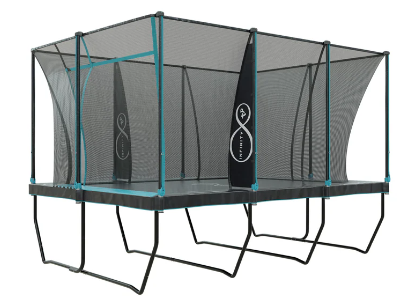
Outdoor play equipment, like a rectangle trampoline, is an excellent addition to the garden. Trampolines encourage physical activity that not only benefits physical health but also acts as a stress reliever. Jumping on a trampoline allows children to channel their energy into a fun, rhythmic motion that releases endorphins, the body’s natural stress-busting hormones. Engaging with nature in such a lively way promotes an active mind and supports emotional balance, helping children let go of anxieties and frustrations that build up throughout the day.
2. Improving Focus and Reducing Anxiety
Outdoor play significantly impacts attention and focus, helping children and adults alike to manage symptoms of anxiety and restlessness. Studies show that exposure to green spaces can improve concentration and reduce hyperactivity. This is especially helpful for children, who often find it challenging to sit still for extended periods. Outdoor play, especially in environments filled with natural stimuli, enables them to process information at their own pace without the constraints of structured indoor activities.
Incorporating kids’ toys that stimulate curiosity can enhance these benefits. For instance, toys that encourage exploration, such as bug catchers or binoculars, can engage children’s minds and create a sense of purpose. Additionally, trampolines encourage movement and coordination, helping children release anxious energy in a controlled manner. Whether they’re bouncing on the trampoline or exploring their surroundings, children benefit from the freedom to express themselves, which helps to lower anxiety levels and improve focus.
3. Boosting Self-Esteem and Building Confidence
One of the most valuable outcomes of outdoor play is the confidence it builds in children. Playing outdoors, especially when they can make decisions, assess risks, and navigate new situations, fosters self-assurance. When children play on a rectangle trampoline, for example, they’re not only learning about balance and coordination but also testing their limits in a safe, supervised environment. Achieving new skills, such as learning to jump higher or attempt a new trick, gives children a sense of accomplishment and increases their self-esteem.
Outdoor toys that encourage independence and creativity—like a sandbox with various tools or even a mini climbing wall—also help children grow more confident in their abilities. These activities allow them to take control and make decisions, building resilience and problem-solving skills. As children grow more comfortable with outdoor play, they learn to trust their instincts, a skill that bolsters self-esteem and prepares them to face challenges in other areas of life.
4. Social Interaction and Development of Empathy
Playing outdoors often involves interaction with others, whether it’s with siblings, friends, or neighbours. These social interactions are crucial for the development of empathy and social skills. When children play together, they learn about cooperation, sharing, and respecting others’ boundaries. For instance, playing on a rectangle trampoline with others requires turn-taking and spatial awareness, teaching children how to communicate and work together in a way that is both fun and constructive.
Outdoor play offers a space where children can freely express themselves and develop friendships. It helps children navigate complex emotions in a natural, enjoyable setting. When children are part of group play, they become more aware of others’ feelings, enhancing their social intelligence and ability to connect with others on a deeper level. For mental health, these skills are invaluable as they help children build supportive relationships, which are foundational to emotional resilience and wellbeing.
5. Encouraging Physical Activity to Lift Mood
Physical movement is one of the best ways to support mental health. Exercise boosts endorphin production, which naturally lifts mood and reduces feelings of depression or low energy. Outdoor play ensures that children get sufficient physical activity, a critical component for both physical and mental health. For example, a rectangle trampoline encourages aerobic exercise while remaining enjoyable, which is often key to helping children stay active without it feeling like a chore.
Kids’ toys that encourage movement—like balls, hula hoops, or skipping ropes—also contribute to a healthy routine of outdoor play. These toys engage various muscle groups and encourage agility, balance, and coordination, all while fostering an active lifestyle that promotes long-term mental health benefits. Movement and mental health are closely linked, and providing children with fun ways to stay active ensures they build a positive relationship with exercise, benefitting their mental wellbeing now and in the future.
6. Promoting Mindfulness and Connection with Nature
Outdoor play nurtures mindfulness, even in young children. By allowing them to focus on the sights, sounds, and sensations of their surroundings, outdoor play creates a natural form of mindfulness. Whether it’s the feeling of grass underfoot, the sound of birds chirping, or the rhythm of jumping on a trampoline, these sensory experiences ground children in the present moment, helping them to manage worries or stresses that may be lingering.
Engaging with kids’ toys that promote creativity, such as outdoor drawing kits or building blocks, can further enhance mindfulness. Creating art outdoors or constructing something from natural materials gives children the freedom to express themselves while connecting with nature. This connection provides a sense of calm, helping children develop skills to regulate their emotions and become more aware of their environment and themselves.
Conclusion: Building Healthier Minds Through Outdoor Play
Outdoor play is a gift to children’s mental health, offering countless benefits that range from stress relief to confidence-building. By providing engaging environments and activities, such as kids’ toys and a rectangle trampoline, caregivers can enrich outdoor experiences and support the mental wellbeing of children in meaningful ways. As we continue to recognise the importance of mental health, making time for outdoor play is one of the best steps toward a healthier, happier, and more resilient generation.
Embracing outdoor play isn’t just about fun; it’s a fundamental part of healthy development. In a world where stress and mental health challenges are ever-present, stepping outside offers a natural remedy that promotes resilience, joy, and emotional balance for children and adults alike.