 Discuss Anything Here
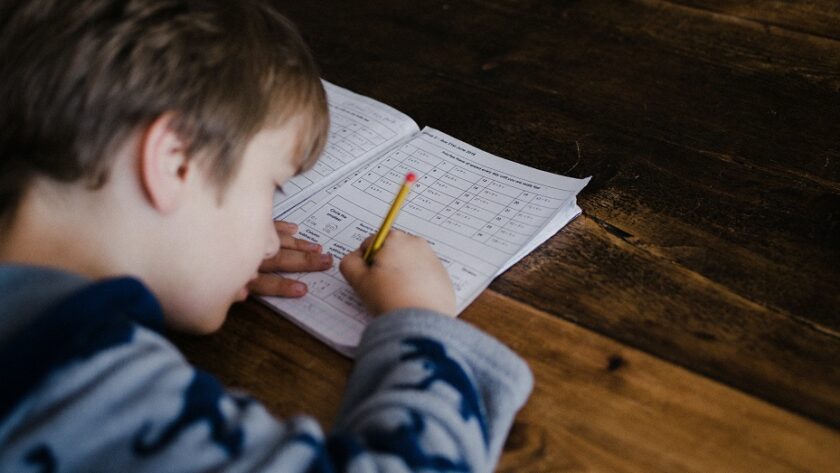
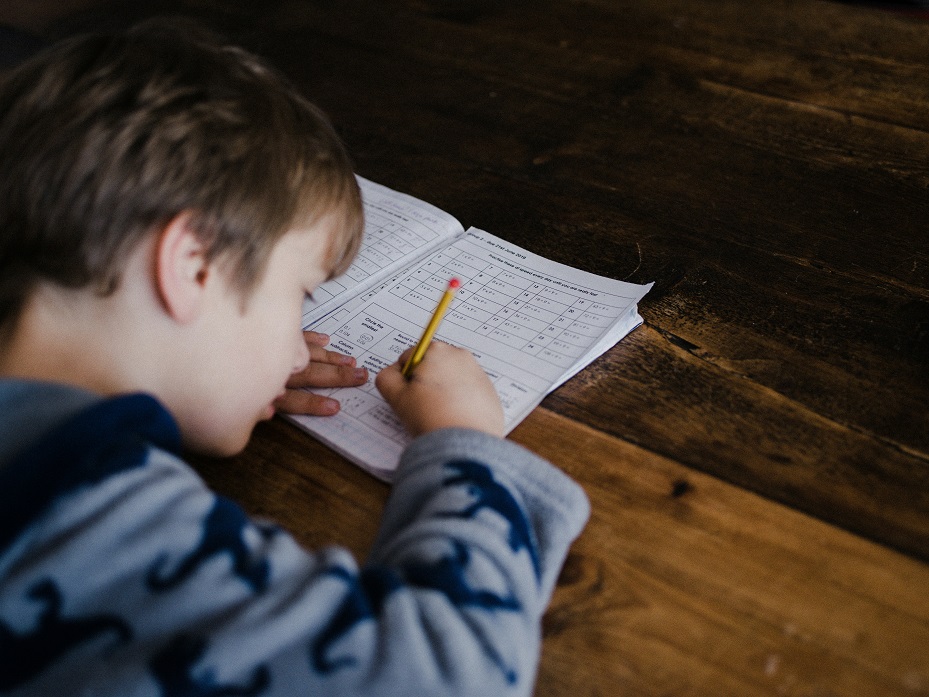
 Most parents will recognise the scene. Homework sits untouched on the kitchen table, the reading book stays firmly closed, and every suggestion to pick it up is met with a sigh. The harder you push, the more the whole thing turns into a standoff. It is one of the most common frustrations of family life, and it raises a difficult question: how do you get a child to want to learn when they seem determined not to?
The trouble with pushing
The instinct to push is understandable. When a child loses interest, we reach for rewards, reminders and the occasional raised voice. Sometimes it works in the short term. The problem is that external pressure teaches children to learn for someone else, to avoid trouble or earn a treat, rather than for the satisfaction of understanding something new.
Research into motivation has shown this pattern for decades. Children who are driven mainly by outside rewards tend to lose interest the moment the reward disappears. The child who reads only for a sticker rarely becomes the adult who reads for pleasure. So if constant prompting is not the answer, what is?
Starting with curiosity
The children who genuinely want to learn are usually the ones who have been allowed to be curious. That sounds simple, but it asks something of the adults around them: a willingness to follow a child’s interest even when it wanders off the expected path.
A question about dinosaurs can lead to geology, history and biology. A fascination with football can open the door to maths through league tables and statistics. When learning connects to something a child already cares about, motivation stops being a battle and starts being a by-product. The job of parents and teachers is less about supplying answers and more about leaving room for the next question.
Letting children take the lead
Autonomy matters too. Children who feel they have some genuine say in how and what they learn tend to invest far more of themselves in it. This might mean letting them choose which book to read, deciding how to approach a project, or simply being trusted to have a go and make mistakes without someone stepping in too quickly.
Schools that understand this build independence into daily life rather than treating it as an afterthought. a nurturing school environment that encourages children to think for themselves can give young people the confidence to take ownership of their progress, which is often the turning point between learning because they must and learning because they want to.
Making room for struggle
There is one more piece that often gets overlooked. A love of learning is not the same as finding everything easy. In fact, children who are never allowed to struggle rarely develop real resilience. The child who wrestles with a tricky problem and eventually solves it learns something far more valuable than the answer itself: that effort pays off.
This is where encouragement does its best work. Praising the effort rather than the result, and treating mistakes as part of the process, helps children see challenge as something to lean into rather than avoid. Over time, that shift in attitude does more to motivate a child to learn than any amount of nagging ever could.
A gradual shift, not a switch
None of this happens overnight. Nurturing genuine enthusiasm for learning is a slow, steady process built on curiosity, independence and a little room to fail. The reward is a child who no longer needs to be chased to the kitchen table, because the drive comes from within. That is a far more durable kind of motivation, and one that lasts long after the school years are over. Settings such as St Johns Prep and Senior School understand that this quiet, consistent approach shapes children who are ready to keep learning for life.
To find out more, visit https://stjohnsprepandseniorschool.co.uk
—
*This article was contributed by the team at St Johns Preparatory and Senior School Ltd, an independent school in Essex educating children across the prep and senior years. St Johns Prep and Senior School is committed to developing curious, confident and independent learners within a supportive and ambitious environment.*