
 Discuss Anything Here
 Most children today learn to swipe before they learn to hold a pencil. Keyboards, tablets and voice notes have taken over so much of daily life that it is fair to ask whether handwriting still earns its place. Parents raise this question often, so here are honest answers to the ones that come up most.
Is handwriting becoming obsolete?
No, though it is changing. Children will certainly type more than their parents ever did, and that is a good thing. But handwriting has not disappeared from classrooms, exam halls or everyday life, and the research keeps pointing the same way: writing by hand does something for the brain that typing does not quite replicate.
Why does writing by hand help children learn?
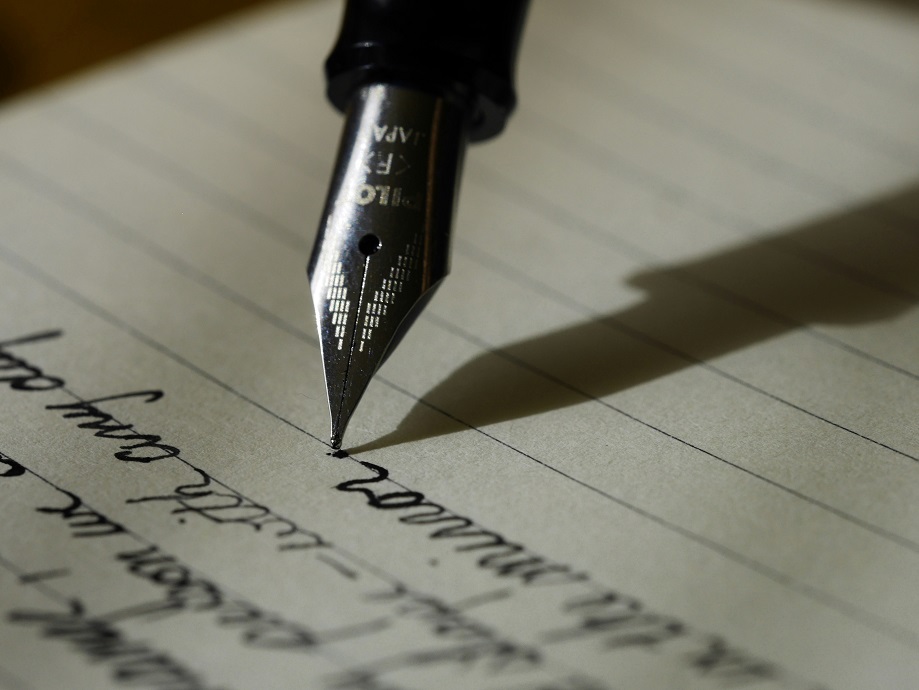
When a child forms letters by hand, they engage memory, motor control and attention all at once. Studies have repeatedly shown that students who take notes by hand tend to understand and retain more than those who type the same material. The slower pace forces them to summarise in their own words rather than transcribe word for word, and that processing is where real learning happens.
There is also a creative benefit. Many writers and thinkers report that drafting by hand frees up ideas in a way a screen does not. For younger children in particular, the physical act of shaping letters helps cement how words look and how they are spelled.
Should I worry if my child’s handwriting is messy?
Not unduly. Legibility matters more than neatness, and plenty of capable children have untidy handwriting. The goal is writing that can be read comfortably and produced without strain. If a child finds handwriting genuinely painful or exhausting, it is worth a conversation with their teacher, because physical discomfort can quietly hold back everything else they want to put on the page.
How much does handwriting still count in exams?
More than many parents expect. Despite the rise of digital assessment, a great deal of secondary and public examination work is still handwritten under timed conditions. A child who can write quickly, clearly and without fatigue has a practical advantage. They spend their energy on thinking rather than on the mechanics of getting words down.
This is one reason strong schools keep handwriting on the agenda well beyond the early years. Settings that place real value on both handwriting and digital fluency tend to produce children who move easily between a pen and a keyboard, choosing whichever suits the task.
How can I support handwriting at home without turning it into a chore?
Keep it light and purposeful. A few ideas that work well:
– Encourage real reasons to write: thank-you notes, shopping lists, birthday cards, a holiday diary.
– Keep pens and paper within easy reach, so writing feels like a natural option rather than homework.
– Praise effort and clarity rather than perfection.
– Let them see you writing by hand too, since children copy what they observe.
The aim is not to drill handwriting for its own sake. It is to keep it part of ordinary life, so the skill stays fluent.
Does this mean screens are the enemy?
Not at all. Typing, coding and digital research are essential skills, and children need to be confident with all of them. The healthiest approach treats handwriting and technology as partners rather than rivals. A child who can jot a quick idea by hand and then develop it on a laptop has the best of both. Balance, not nostalgia, is the point.
Handwriting is not a relic. It is a quiet, flexible skill that supports memory, creativity and confidence, and it sits comfortably alongside the digital tools children will use for the rest of their lives. For families weighing up how schools handle that balance, it is well worth asking the question directly during an open day. You can read more about one school’s approach at https://rmsforgirls.com.
—
*This article was contributed by the team at The Royal Masonic School for Girls, an independent day and boarding school in Rickmansworth, Hertfordshire, educating girls from early years through to sixth form. The school combines high academic standards with a strong focus on wellbeing, creativity and preparing pupils for a changing world.*