 Discuss Anything Here
 Ask most children how they feel about “learning” outside school hours and you’ll get a predictable groan. Ask them whether they want to build a working volcano, crack a code, or grow something they can eat, and the mood changes entirely. The trick is not avoiding learning at home. It is choosing educational activities that teach without announcing themselves as lessons.
Here is a practical checklist for spotting the kind of activities that keep children curious rather than counting down the minutes.
Does it have a real-world payoff?
Children engage far more readily when there is something tangible at the end. Cooking teaches weights, ratios and chemistry, but it ends in dinner. Planting seeds teaches patience and biology, but it ends in tomatoes. Look for activities where the learning is baked into a result the child actually wants.
A good test: if your child would happily do it even without being told it was “educational”, you have found a winner.
Can they fail safely and try again?
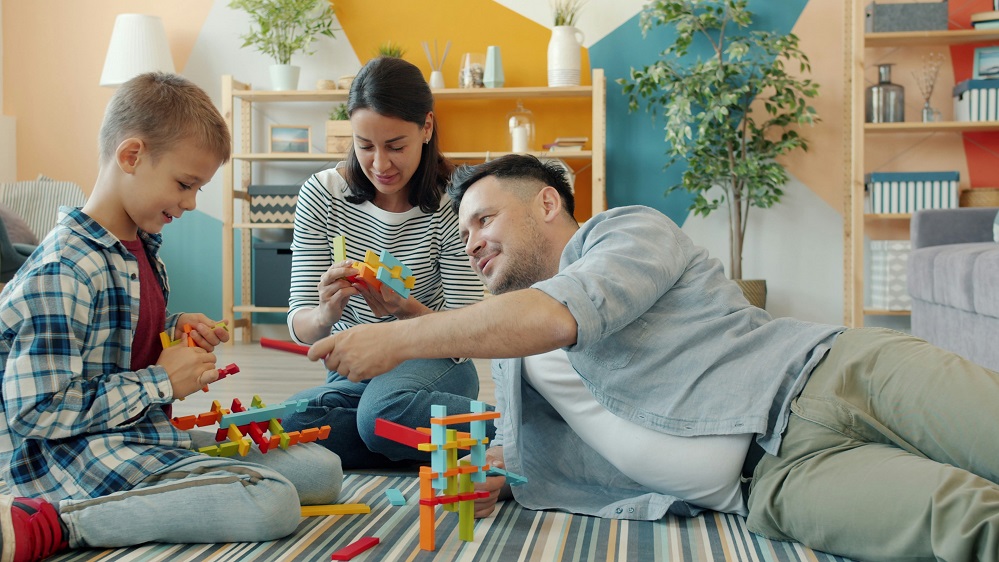
The best activities allow for mistakes without consequences. Building a marble run that collapses, coding a game that glitches, or attempting a science experiment that fizzles are all genuinely useful. They teach children to adjust, retry and problem-solve, which is exactly the resilience that formal homework rarely builds.
Avoid anything that feels like a test with a single right answer. Open-ended beats pass-or-fail every time.
Is it led by their interest, not yours?
An activity tied to something a child already loves will always outperform one you have chosen for them. A football fan can learn statistics by tracking league tables. A child obsessed with dinosaurs can practise reading through non-fiction they actually want to open.
Schools that nurture independent curiosity often encourage this approach, letting pupils follow a thread of interest rather than forcing a fixed syllabus at home.
Does it get them away from the screen (at least sometimes)?
Screens are not the enemy, and plenty of excellent coding and design tools live on them. The balance matters more than the rule. Mix digital activities with hands-on ones: a nature walk with a notebook, a chess set, a model to assemble, a letter to a relative. Variety keeps the brain working in different ways and stops any single activity from feeling like a chore.
Can it be shared?
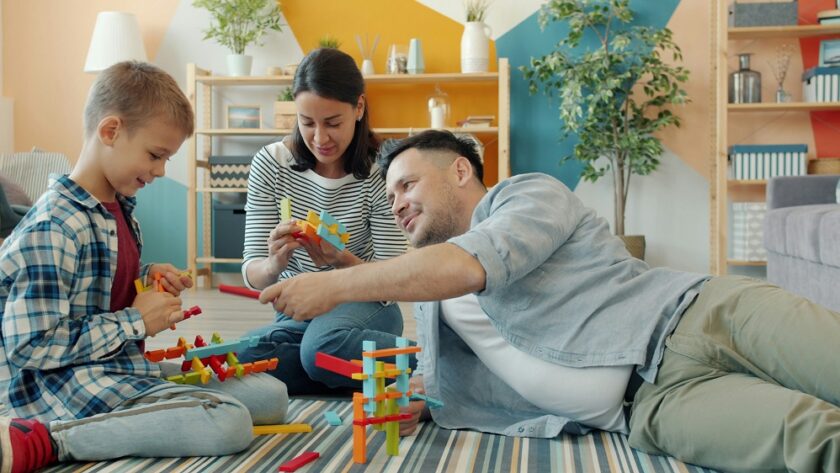
Learning rarely feels like homework when someone else is involved. A family quiz, a shared gardening project, or a board game that rewards strategy all turn education into a social event. Children absorb an enormous amount simply by talking things through, and they are far more likely to stick with something when a parent or sibling is part of it.
A few activities worth trying
– Kitchen science: baking, fermenting or simple chemistry experiments with store-cupboard ingredients.
– Nature journaling: recording what they see outdoors, which builds observation and writing without a worksheet in sight.
– Strategy games: chess, draughts or well-made board games that quietly sharpen planning and logic.
– Storytelling and comics: inventing characters and plots, which develops writing more painlessly than any essay prompt.
– Small building projects: anything that involves following steps, measuring, and adjusting when it goes wrong.
The common thread is simple. When an activity feels like play, discovery or a shared project, children stop noticing they are learning at all. That is when the real progress happens. Choose a handful that fit your child’s interests, keep the pressure low, and let curiosity do the heavy lifting.
For families looking at how a wider learning environment can support this kind of curiosity, further information is available at https://rgsg.co.uk.
—
*This article was contributed by the team at RGS Guildford, an independent day school with a long tradition of academic excellence and a belief that genuine curiosity, nurtured both in and out of the classroom, is the foundation of lifelong learning.*