 Discuss Anything Here
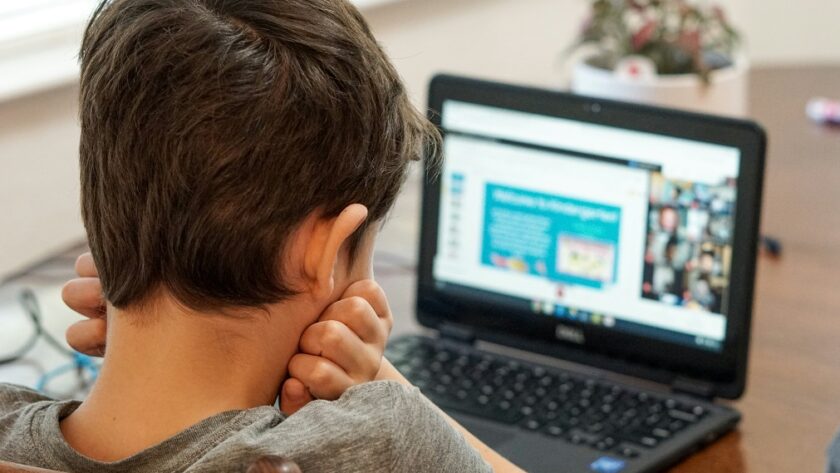
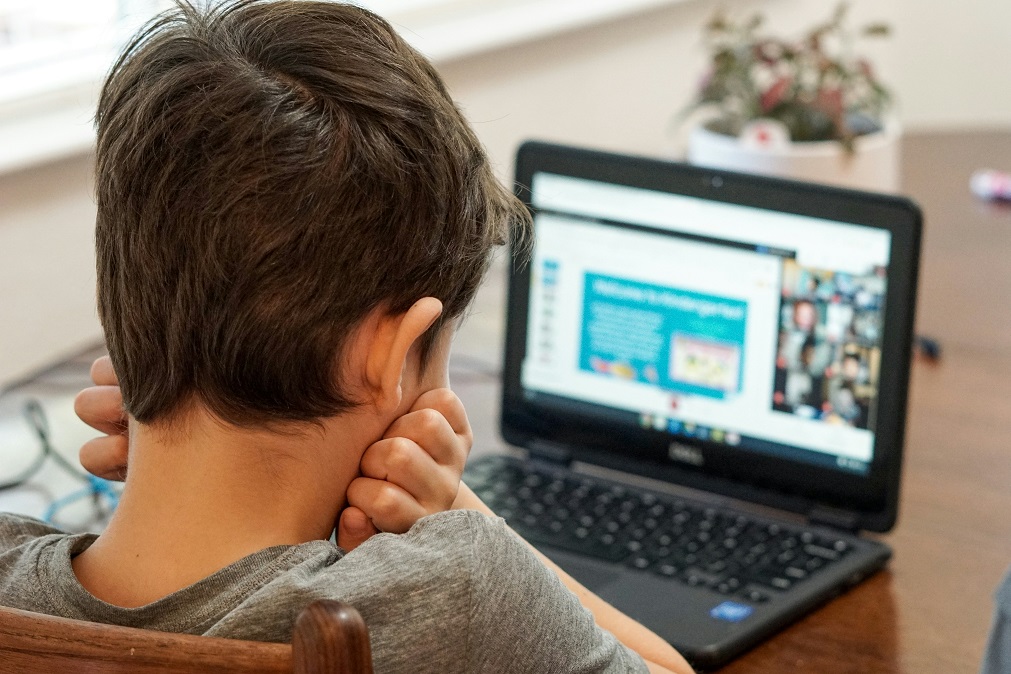
 The jump from primary to secondary school changes a child’s relationship with the internet almost overnight. New friendships, a first phone for many, longer stretches of unsupervised time online. The good news is that the groundwork can be laid while they are still in Year 5 or 6, when children are usually more open to talking. Here is a practical sequence of conversations to work through, one step at a time.
Step one: start with how it feels, not what to avoid
Resist the urge to open with a list of dangers. Instead, ask your child what they enjoy online and what makes them feel uneasy. A child who feels judged will go quiet; a child who feels heard will keep talking. This first chat sets the tone for everything that follows, so keep it curious rather than cautionary.
Step two: agree what “private” actually means
Many children happily share their full name, school and street without thinking twice. Walk through the difference between information that is safe to post and information that should stay off public profiles. A useful test: would they shout it across a crowded train carriage? If not, it probably does not belong in a comment or a bio.
Step three: rehearse the awkward moments
The most valuable safety skill is knowing what to do when something goes wrong. Practise it out loud. What would they say if a stranger messaged them? What if a friend sent something upsetting? Giving children a few ready-made responses, such as “I’m going to tell an adult”, removes the panic from the real moment. Make clear that they will never be in trouble for coming to you, even if they broke an internet safety rule to get there.
Step four: set up the tools together
Device settings land better when they are a shared decision rather than a punishment. Sit down together and look at screen-time limits, age-appropriate content filters and privacy controls. Explaining the reasoning behind each one helps a child understand that these are guardrails, not a lack of trust. Revisit the settings as they grow, because what suits a ten-year-old rarely suits a thirteen-year-old.
Step five: talk about the stuff that stays online
Children find it genuinely surprising that a deleted post can still exist somewhere. Explain, without scaremongering, that photos and messages can be screenshotted and shared. The point is not to frighten them into silence but to encourage a simple habit: a short pause before posting. Many schools reinforce this through digital citizenship lessons, and schools that teach children to think critically about their online footprint give families a strong foundation to build on at home.
Step six: keep the door open
A single big talk rarely does the job. Small, regular check-ins work far better. Ask about what they have seen online in the same casual way you would ask about their day. When children expect the topic to come up, it stops feeling like an interrogation and starts feeling like a normal part of family life.
A few habits worth keeping
– Model good behaviour yourself, including putting your own phone down.
– Keep charging points in shared spaces rather than bedrooms.
– Review apps together before downloading, not after.
– Celebrate good judgement when you see it, so safe choices feel rewarding.
None of this requires technical expertise. It simply asks for honest, repeated conversations that treat children as capable of learning. Settings such as The Mall School weave these discussions into everyday learning, and parents who want more guidance can explore the ideas at https://themallschool.org.uk.
Start early, stay interested, and the move to secondary school becomes far less daunting, for them and for you.
—
*This article was contributed by the team at The Mall School, an independent preparatory school in Twickenham dedicated to nurturing confident, considerate and curious young learners. Known for its strong pastoral care and commitment to developing well-rounded pupils, The Mall School supports families in preparing children for the next stage of their education, both academically and personally.*