 Discuss Anything Here
 Ask any parent what they hope their child gets from outdoor activities and most will say the obvious: fresh air and a bit of exercise. Both matter. But spend a morning watching children build a den, follow a trail or simply dig in the mud, and it becomes clear that something larger is happening. Here are the questions parents ask most often, with honest answers.
Is it really just about keeping children active?
Physical activity is the easy headline, and it is a good one. Running, climbing and balancing build strength and coordination in ways no screen can match. But the benefits run deeper. Outdoor play asks children to take small, manageable risks, judging whether a log is safe to cross or how high to climb. Learning to weigh those decisions builds confidence that stays with them long after they come indoors.
What does the outdoors teach that a classroom cannot?
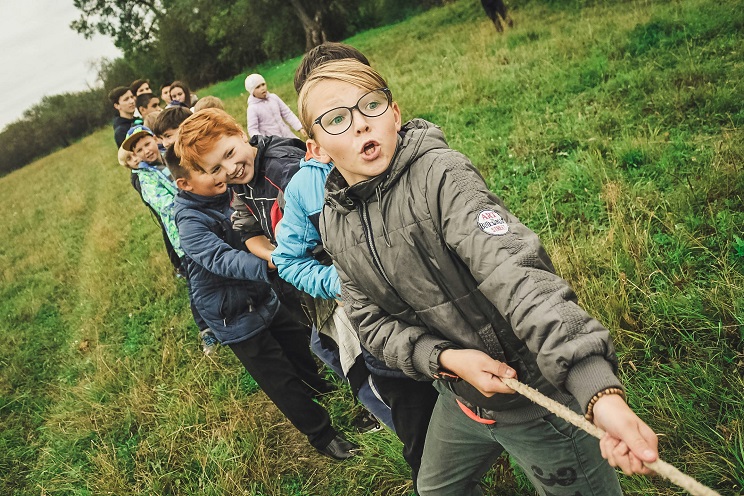
Classrooms are brilliant for focus and structure. The outdoors offers something different: unpredictability. A puddle appears, a bird lands, the weather turns. Children have to adapt, problem-solve and work together without a fixed script. That kind of flexible thinking is hard to teach from a textbook, yet it shapes how a child approaches challenges for years.
Nature also slows things down. When a child watches a snail cross a path or notices how leaves change colour, they are practising patience and attention, two skills that support reading, concentration and calm.
Does this help children who find sitting still difficult?
Often, yes. For many children, movement is how they process the world. A child who fidgets at a desk may thrive when given space to move and explore. Outdoor learning gives these children a route into the same curriculum content, just with more room to breathe. Many forward-thinking educational settings now weave outdoor sessions into the week precisely because they see children engage differently once they step outside.
How does outdoor time affect wellbeing?
The emotional benefits are real and well documented. Time outside lowers stress and lifts mood. Children who spend regular time in green spaces tend to sleep better and show fewer signs of anxiety. There is also a quieter gift: the chance to be bored, to invent a game, to sit under a tree and think. That freedom is increasingly rare, and it is where creativity grows.
Can families build more of this into everyday life?
Absolutely, and it need not be elaborate. A walk to school that takes in the park, a weekend spent planting seeds, or a torch-lit garden hunt after dark all count. The aim is not to schedule nature but to leave room for it. Children do not need expensive kit; they need time, a little freedom and an adult willing to let them get muddy.
Schools can lead by example here. A nursery and prep school that values outdoor learning as part of a rounded education often gives families practical ideas to carry home, turning the school day into a habit rather than a one-off. Old Vicarage School is one setting that treats outdoor activity as central rather than an add-on, and the approach shows in how settled and curious the children become.
What should parents look for?
When choosing a school or club, ask how the outdoors fits into an ordinary week, not just a summer sports day. Is there space to explore in all weathers? Are children trusted with real tasks? The answers tell you a great deal about how a setting views childhood itself.
Fresh air, then, is only the beginning. Behind it sits confidence, resilience, creativity and calm, the quiet foundations of a happy, capable child. You can find out more at https://oldvicarageschool.co.uk.
—
*This article was contributed by the team at Old Vicarage School, an independent nursery and prep school for boys and girls in Richmond, Surrey. The school is known for its warm community, strong academic foundations and belief in learning both indoors and out.*