Discuss Anything Here
 Maximising Space – A conservatory can be the perfect addition to any home, offering a light-filled space where you can relax, entertain guests, or simply enjoy the beauty of your garden all year round. However, designing a conservatory that is both functional and aesthetically pleasing can be a bit of a challenge, especially when space is limited. Whether you have a large, airy extension or a compact conservatory, maximising the available space is key to creating a beautiful and practical room. Here are some expert tips to help you design the perfect conservatory.
Maximising Space
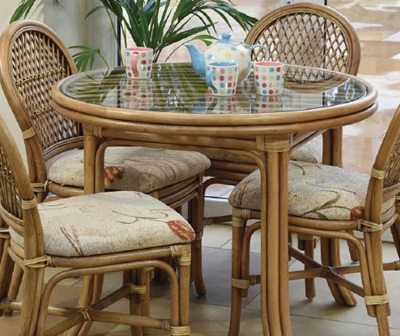
1. Choose the Right Conservatory Furniture
One of the most important aspects of conservatory interior design is selecting the right conservatory furniture. The furniture you choose can make a big difference in how you use the space and how comfortable it feels. Consider pieces that are both functional and stylish to create an inviting environment.
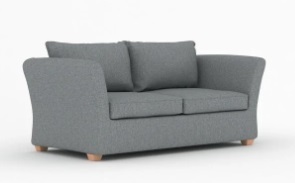
For smaller conservatories, opt for multi-functional conservatory furniture. For example, a sofa bed can be used for seating during the day and converted into a bed for guests at night. Similarly, nesting tables can provide extra surface space when needed but can be tucked away when not in use. In larger conservatories, you have more freedom to play with different furniture arrangements. Consider incorporating a conservatory furniture set that includes a sofa, armchairs, and a coffee table to create a cosy, lounge-like atmosphere.
When choosing furniture for your conservatory, materials are also an important consideration. Rattan and wicker furniture are popular choices as they are lightweight, durable, and offer a natural, airy feel that complements the indoor-outdoor nature of a conservatory. Additionally, they can be paired with plush cushions for added comfort.
2. Opt for Space-Saving Furniture Designs
In a conservatory, every inch of space counts. Therefore, it’s essential to look for space-saving furniture designs that won’t overwhelm the room. Folding chairs, stackable stools, and slim-profile tables can help maximise space while still providing the necessary functionality.
If you’re selecting a conservatory furniture set, consider pieces with built-in storage, such as a coffee table with shelves or a storage ottoman that doubles as extra seating. These clever designs allow you to keep the room tidy by providing a place to store blankets, books, or other items that might otherwise clutter the space.
3. Plan the Layout for Maximum Functionality
The layout of your conservatory plays a significant role in how functional and spacious it feels. Start by thinking about how you intend to use the space. Will it serve as a dining area, a reading nook, or a lounge for social gatherings? Once you have a clear purpose in mind, arrange your conservatory furniture accordingly.
For instance, if your conservatory will be used as a dining area, place a dining table and chairs in a central position to create a focal point. In contrast, if it’s more of a casual lounge, arrange sofas and armchairs around a central coffee table to promote conversation and relaxation. Keep walkways clear and avoid overcrowding the room with too much furniture, as this can make the space feel cramped.
In smaller conservatories, consider pushing furniture against the walls to open up the centre of the room. This arrangement not only maximises floor space but also creates an illusion of a larger area. Additionally, using lighter-coloured conservatory furniture, such as white or light wood tones, can help make the room feel more open and airy.
4. Make Use of Vertical Space
When floor space is limited, it’s time to look upwards! Vertical space is often underutilised in conservatories but can be a game-changer when it comes to maximising functionality. Consider installing shelves on the walls to store books, plants, or decorative items. Floating shelves are particularly effective as they provide storage without taking up valuable floor space.
If you have a high ceiling in your conservatory, you can even hang plants or pendant lights to draw the eye upwards, creating a sense of height and openness. Tall, slim cabinets or bookcases can also be added to provide additional storage while keeping the floor area uncluttered.
5. Use Light Colours and Mirrors to Open Up the Space
The choice of colour scheme can have a significant impact on the perceived size of your conservatory. Light, neutral colours like white, beige, or soft pastels can help make the room feel larger and more inviting. They reflect natural light, which is abundant in conservatories, giving the space a bright, open appearance.
Incorporating mirrors is another effective way to enhance the sense of space. A large mirror positioned opposite a window can reflect light and the garden view, creating the illusion of a more expansive area. Alternatively, you could use mirrored furniture, such as a mirrored coffee table, to subtly increase the room’s brightness without overpowering the decor.
6. Add Plants for a Natural Touch
One of the joys of a conservatory is its connection to the outdoors, so bringing in plants can enhance this natural feel. Choose a variety of plants in different sizes to create a lush, garden-like atmosphere. Tall plants, such as palms or fiddle-leaf figs, can add height and visual interest, while smaller plants can be placed on shelves, side tables, or window sills.
When arranging plants, be mindful not to overcrowd the space. Use plant stands or hanging planters to lift some greenery off the floor, preserving valuable surface area for your conservatory furniture. A few well-placed plants can create a sense of calm and add a splash of colour without overwhelming the room.
7. Create Zones for Different Activities
If your conservatory is large enough, consider dividing it into different zones to maximise its functionality. For example, you could have a cosy seating area with a conservatory furniture set at one end, a small dining area in the middle, and a reading nook by the window. Use rugs to visually separate these areas and create distinct spaces for different activities.
When creating zones, ensure that there is a natural flow between them, with enough space for movement. Avoid placing furniture in a way that blocks pathways, as this can make the room feel disjointed and cramped.
Conclusion
Designing a functional and beautiful conservatory is all about making the most of the available space. By carefully selecting the right conservatory furniture, using space-saving designs, and planning an effective layout, you can create a versatile room that meets your needs and complements your home’s aesthetic. Don’t forget to make use of vertical space, incorporate light colours and mirrors, and bring in plants to enhance the natural feel of the conservatory.
Whether you’re furnishing a cosy reading nook or creating a multi-purpose living area, these expert tips will help you transform your conservatory into a stylish and functional retreat that you and your family will enjoy for years to come.