 Discuss Anything Here
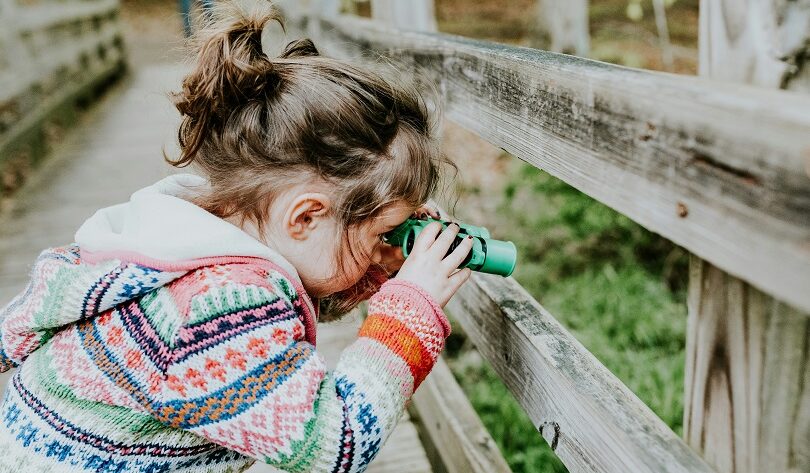
 Ask most children where their best school memories were made, and few will point to a desk. The woodland trail, the muddy field, the garden they helped plant: these stick. Learning outside the classroom simply means taking education beyond four walls, whether that is a nature walk, a trip to a museum, or a maths lesson measuring the perimeter of the playground. It sounds simple, but the effects run deep.
Here are six things children often grasp more readily when the roof comes off the lesson.
1. Resilience when things go wrong
Outdoor learning rarely goes perfectly. The weather turns, the shelter collapses, the plan changes. Children learn to adapt, try again, and keep going. Those small setbacks build a steadiness that is hard to teach from a textbook.
2. Teamwork that actually feels like teamwork
Carrying a kayak, building a den or navigating a route forces children to rely on one another. Roles emerge naturally, and quieter pupils often find a voice. Cooperation stops being an abstract value and becomes something they feel the need for in the moment.
3. A real sense of risk and judgement
Climbing, balancing and exploring all involve measured risk. Rather than removing every hazard, good outdoor learning lets children assess situations and make sensible choices. This is how they develop judgement: by weighing up a decision and living with the result.
4. Curiosity about the natural world Outside the Classroom
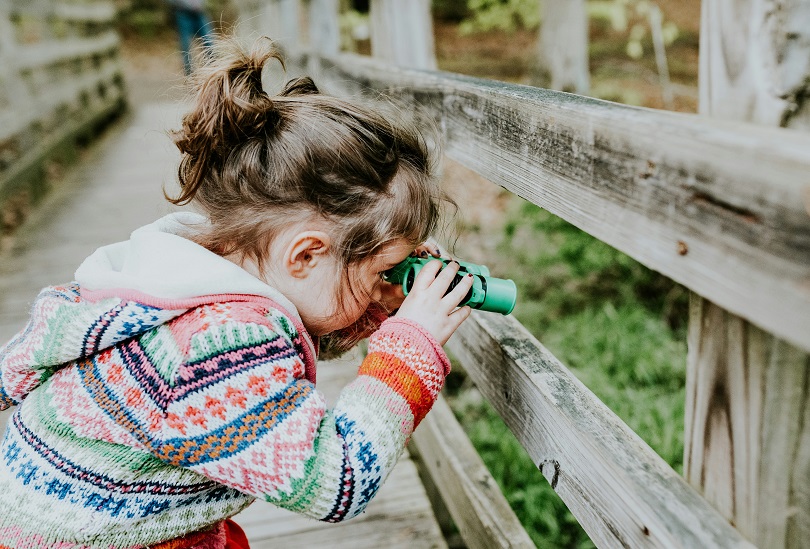
It is one thing to read about the life cycle of a frog. It is another to find frogspawn in a pond. Direct contact with nature sparks questions that lessons can then answer. Children who spend time outdoors tend to ask more, notice more and care more about the world around them.
5. Focus and calm
Time outside is good for concentration. Fresh air, movement and a change of scene help restless minds settle, and many children return to indoor work more ready to engage. For pupils who find a classroom overwhelming, the outdoors can be a welcome reset.
6. Independence
Away from the familiar routine, children have to think for themselves: what to pack, which way to go, how to solve the problem in front of them. These small acts of self-reliance add up, and over time they shape confident young people who trust their own abilities.
Bringing it into everyday school life
None of this requires an expedition. A regular slot in the school grounds, a pond-dipping afternoon or a local history walk can deliver real benefits. The key is consistency and a bit of planning, so that outdoor learning becomes part of the week rather than a rare treat.
Many families now actively look for this when choosing where to educate their children. Parents who value independent schools that weave outdoor learning into the everyday often find their children are happier, more engaged and better prepared for life beyond the gates. Settings like Manor House School show how time outside can sit comfortably alongside strong academic standards, giving pupils the best of both.
If you are curious about how a school approaches this in practice, it is worth seeing it for yourself. A visit will tell you far more than any prospectus about how a school uses its grounds and the world beyond them.
For a closer look, you can explore more at https://manorhouseschool.org.
—
*This article was contributed by the team at Manor House School, an independent day school for girls in Bookham, Surrey, educating pupils from ages 2 to 16. Manor House School is known for its nurturing environment, strong academic results and its commitment to learning that reaches well beyond the classroom.*